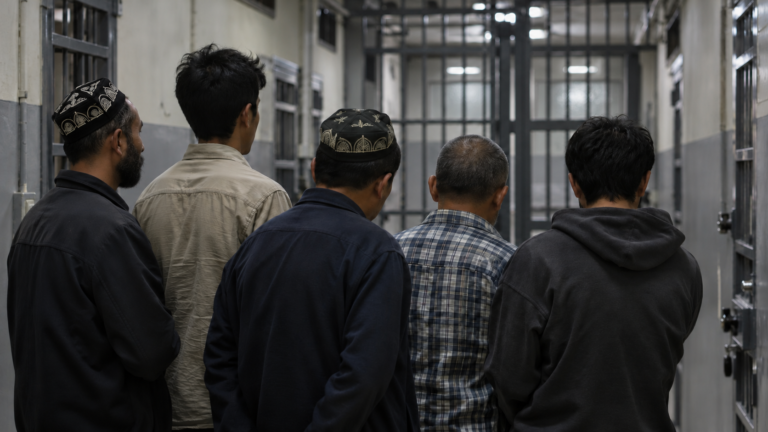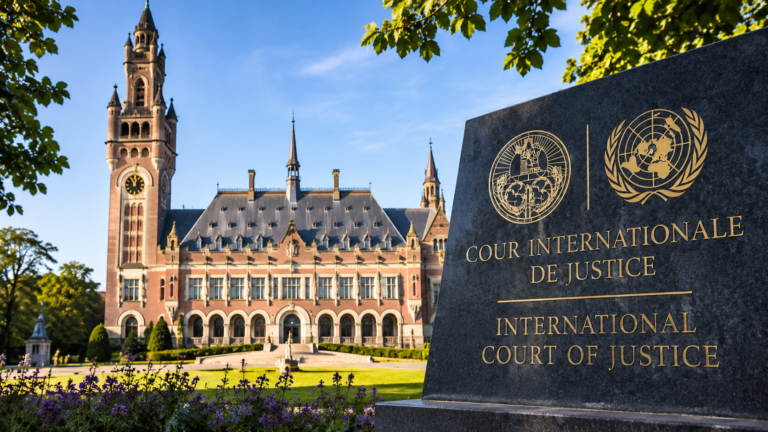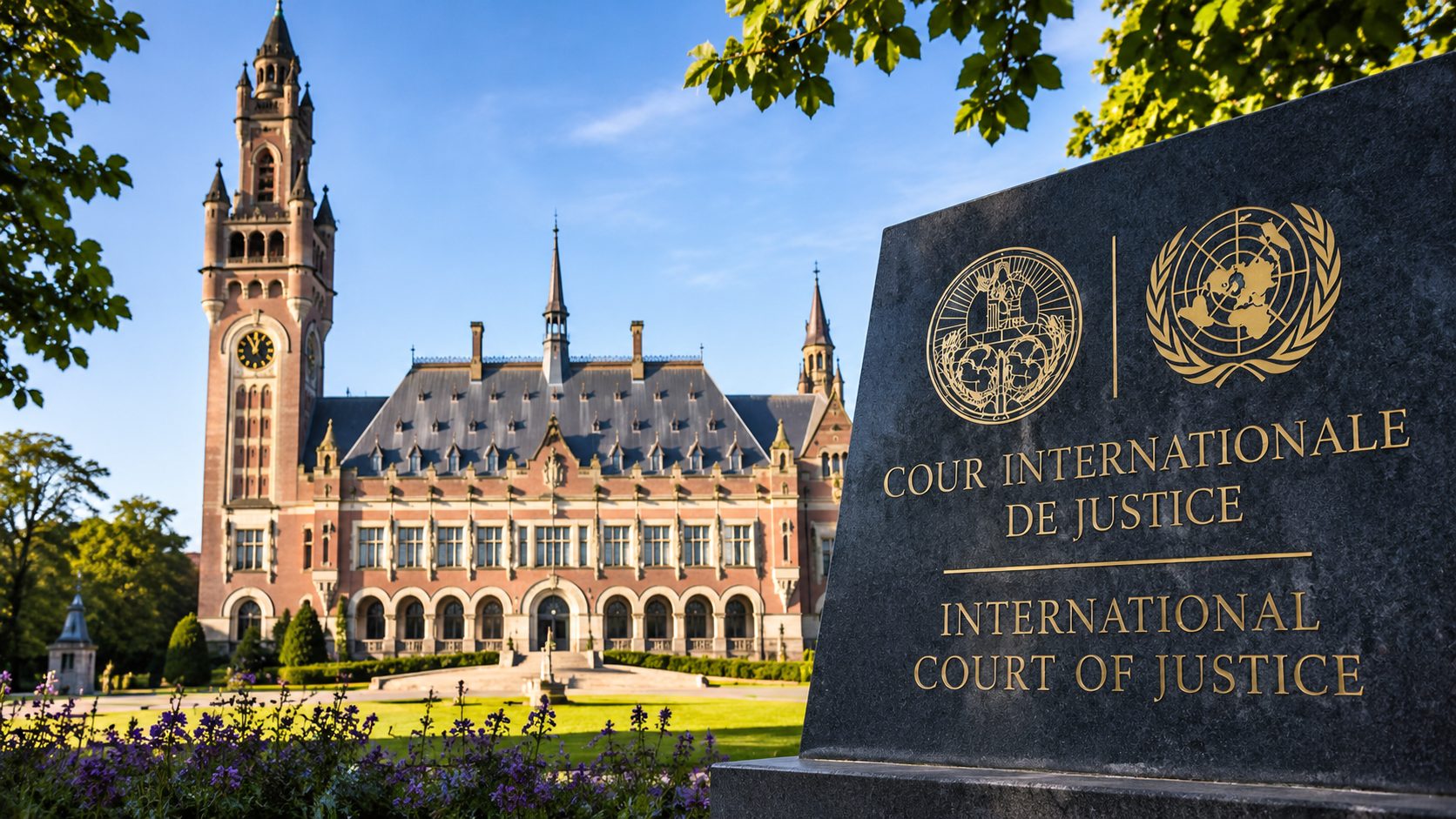
On November 19, 2026, the International Court of Justice (ICJ) ruled that Myanmar committed genocide against the Rohingya during its 2017 military operations in Rakhine State. The landmark judgment comes nearly a decade after more than 700,000 Rohingya fled to Bangladesh, escaping killings, sexual violence and the destruction of their villages.
The court’s decision goes beyond earlier allegations and international investigations. It establishes Myanmar’s responsibility under the 1948 Genocide Convention, following years of legal proceedings. But what exactly constitutes genocide under international law, why did the judges reach this conclusion, and what consequences will Myanmar face?
What constitutes genocide under international law?
The term genocide has a specific legal definition, established by the United Nations Genocide Convention in 1948.
It covers five categories of acts committed against a national, ethnic, racial or religious group:
- Killing members of the group.
- Causing serious bodily or mental harm.
- Deliberately imposing living conditions intended to bring about the group’s physical destruction.
- Imposing measures intended to prevent births.
- Forcibly transferring children to another group.
However, committing one of these acts does not automatically establish genocide. The defining requirement is specific intent to destroy a protected group, in whole or in part, because of its identity.
This distinction is crucial
Not every armed conflict involving civilian deaths, even on a massive scale, legally constitutes genocide. International law separately recognizes war crimes and crimes against humanity, which are also exceptionally serious offenses.
The word genocide therefore carries considerable legal weight and should be used carefully. In highly polarized conflicts, accusations can become instruments of political propaganda, sometimes presented as established facts before the evidence has been adequately examined.
Why the number of victims does not determine genocide
The Bosnian War of 1992–1995 illustrates these distinctions. The conflict caused approximately 100,000 deaths and involved widespread massacres, ethnic cleansing and other atrocities. In 2007, the ICJ concluded that genocide had not been established for atrocities committed across much of Bosnia because the required specific intent had not been proven.
However, the same court recognized the 1995 Srebrenica massacre, in which approximately 8,000 Bosnian Muslim men and boys were killed, as genocide. The decisive factor was evidence that Bosnian Serb forces intended to destroy a substantial part of the Bosnian Muslim community in that area.
The comparison demonstrates that the legal classification depends on the perpetrators’ actions and intentions, not simply the overall death toll. Genocide can also involve acts other than killing, including measures intended to prevent births or forcibly transferring children. In principle, mass killings are therefore not necessary to establish genocide.
Why did the ICJ find Myanmar responsible?
Myanmar’s case began in November 2019, when The Gambia, supported by the Organisation of Islamic Cooperation, brought proceedings before the ICJ. The case concerned Myanmar’s military operations against the Rohingya in 2017, following attacks on security posts by Rohingya militants.
The court examined evidence of widespread killings, sexual violence, serious bodily and psychological harm, and discriminatory measures targeting the Rohingya population. It also considered evidence of anti-Rohingya hostility, the systematic character of military operations and conduct directed against communities because of their ethnic identity.
The judges concluded that the evidence established an intention to destroy a substantial part of the Rohingya population in northern Rakhine State.
The genocide finding passed by nine votes to six, reflecting disagreement among the judges over the application of the demanding legal standard. Importantly, the court did not uphold every allegation. It found Myanmar responsible for genocide and for failing to prevent and punish certain genocidal acts. However, it did not find that Myanmar had directly and publicly incited genocide by private individuals.
These distinctions demonstrate that the court examined separate legal obligations rather than treating every accusation as automatically proven.
What consequences does Myanmar face?
The ICJ’s judgment is legally binding, but implementing it presents major challenges. The court ordered Myanmar to investigate suspected perpetrators and, where warranted, prosecute and punish them. It must also adopt measures to prevent similar atrocities and provide guarantees against repetition.
Crucially for Rohingya refugees, the judgment requires restitution, including measures allowing displaced people to return safely, voluntarily and with dignity. Myanmar must also compensate Rohingya victims for harm that cannot be remedied through restitution. The court has not yet determined the amount or arrangements for compensation. Myanmar must submit a report within two years outlining its restitution measures and proposals for compensation.
However, the ICJ cannot independently arrest suspects or force Myanmar’s authorities to implement its orders.
There is also an important legal distinction: the judgment establishes Myanmar’s responsibility as a state, not the individual criminal guilt of military commanders. Personal criminal responsibility must be established through separate proceedings.
Myanmar rejects the genocide ruling
Myanmar’s military-backed government rejected the November 19 judgment, describing the conclusions as unfair and disputing the allegations of genocidal intent. Its foreign ministry maintained that the military operations were counterterrorism measures responding to attacks by the Arakan Rohingya Salvation Army. The court, however, concluded that Myanmar’s actions could not be explained solely as a response to security threats.
Meanwhile, the opposition National Unity Government welcomed the ruling and recognized the court’s authority.
The contrasting responses highlight the deep political divisions within Myanmar, where the military continues to exercise power amid a prolonged civil war.
What does the judgment mean for Rohingya refugees?
For Rohingya refugees, the ruling represents an important recognition of the crimes committed against their communities. But it does not automatically make Myanmar safe.
More than 1.2 million Rohingya remain in Bangladesh, while others have sought refuge in Malaysia, Indonesia and elsewhere. The obstacles to returning home extend beyond the atrocities of 2017. They include longstanding citizenship restrictions, discrimination and renewed violence involving Myanmar’s military and armed opposition groups. Even with the genocide ruling, refugees need credible guarantees that they can return without facing further persecution.
The November 19 decision establishes a major legal responsibility and creates new obligations for Myanmar.
Whether it also brings meaningful justice will depend on accountability, reparations and, ultimately, whether the Rohingya can safely reclaim their place in Myanmar.
About the Author