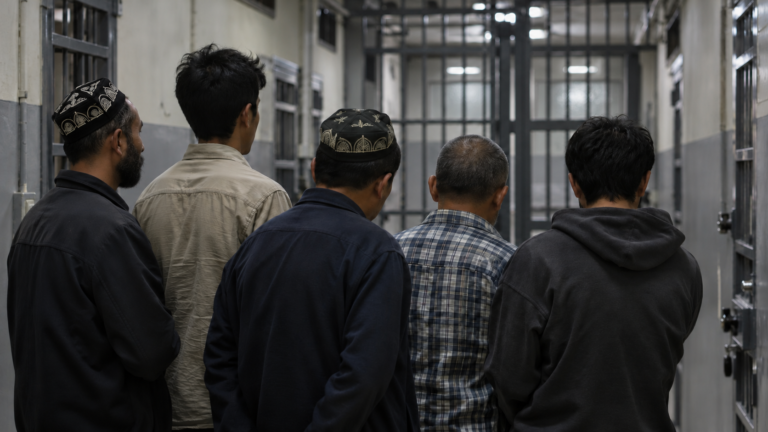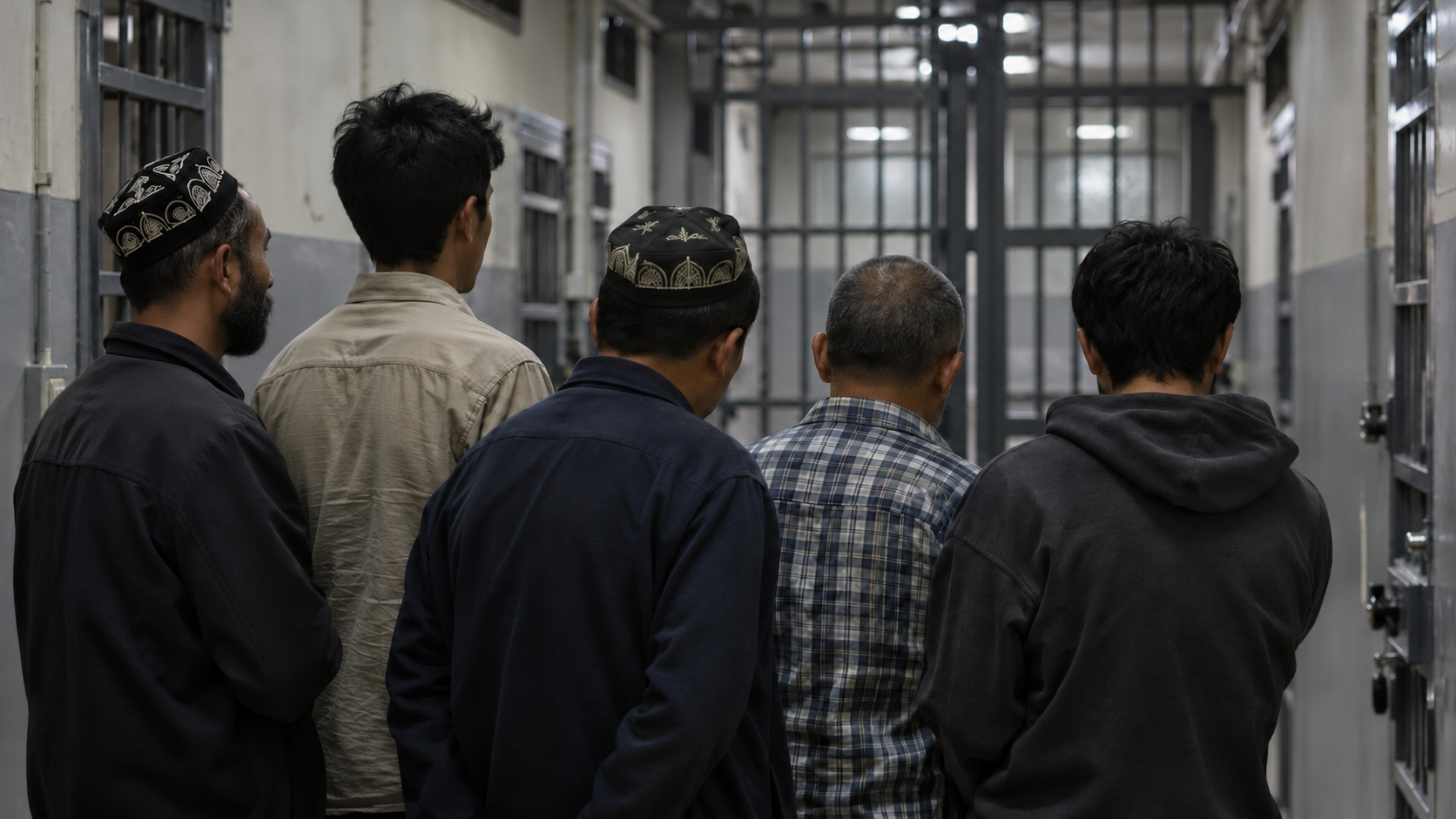
United Nations experts have warned Thailand not to extradite five Uyghur men to China, saying they could face serious and irreversible harm.
The warning came on November 13, the same day Chinese Premier Li Qiang met Thai Prime Minister Anutin Charnvirakul in Bangkok. Their talks covered security cooperation, transnational crime, trade and investment. However, neither government’s public account mentioned the five men.
Three days later, Li joined Southeast Asian leaders at the ASEAN–China Summit in Manila. ASEAN and China announced closer cooperation in several areas, while the Uyghurs’ fate remained absent from the published outcomes.
Five Uyghurs in Thailand face an uncertain future
The men belonged to a group of more than 300 Uyghurs detained near the Malaysian border in 2014. They had fled China’s Xinjiang region and were reportedly trying to reach Türkiye through Southeast Asia.
The five later received prison sentences related to an attempt to escape detention. Two received royal pardons and were transferred to an immigration detention center in Bangkok on October 21. UN experts said two of the five had been detained since childhood.
The other three reportedly have around another year remaining on their sentences.
Thai officials say Chinese arrest warrants exist for all five men. China and Thailand have an extradition treaty, but any request must pass through Thailand’s legal system.
The precise situation remains unclear. UN experts said it had not been publicly confirmed whether China had submitted a formal extradition request or what charges the men might face. Thailand says the men can contest their extradition in court. China maintains that its cooperation with Thailand against cross-border crime follows domestic and international law.
Thailand previously returned 40 Uyghurs
This is not the first time Thailand has faced such a decision. In February 2025, it returned 40 Uyghur men to China despite appeals from the UN and human-rights organizations.
The men became known as the Forgotten Forty because their condition and whereabouts remain largely unknown. Thai delegations later visited Xinjiang but reportedly met fewer than ten returnees. No independent investigation has established that all 40 are safe.
Thailand’s National Human Rights Commission concluded that their return violated the principle of non-refoulement. This principle prohibits sending people somewhere they face a genuine risk of torture, persecution or enforced disappearance. Thailand’s own anti-torture law also prohibits such returns.
ASEAN–China talks ended without mentioning the case
The 49th ASEAN Summit ended in Manila on November 17. Regional leaders discussed Myanmar, transnational crime, economic cooperation and relations with major international partners.
During the ASEAN–China Summit, both sides celebrated five years of their Comprehensive Strategic Partnership. They also announced deeper cooperation in areas including energy and forestry. However, the published summit documents did not mention the Uyghurs detained in Thailand.
This silence does not prove that the case was never raised privately. Nevertheless, no public statement from ASEAN, Thailand or China indicates that regional leaders addressed it.
The wider pressure facing Uyghurs abroad
China’s determination to recover the five men reflects wider pressure on Uyghurs abroad. Diaspora communities have reported surveillance, questioning and threats involving relatives who remain in Xinjiang. China’s ethnic-unity law has added to those concerns by claiming authority over certain activities conducted outside the country.
Beijing denies persecuting Uyghurs and says its policies fight terrorism, separatism and extremism.
Indonesia and other ASEAN members should encourage Thailand to reject any forced return and pursue safe third-country resettlement. ASEAN spent its summit emphasizing cooperation, security and regional resilience. Protecting five men from possible torture or enforced disappearance would show that its people-centered commitments also apply when a powerful partner is involved.
About the Author