COP31 Antalya Conference
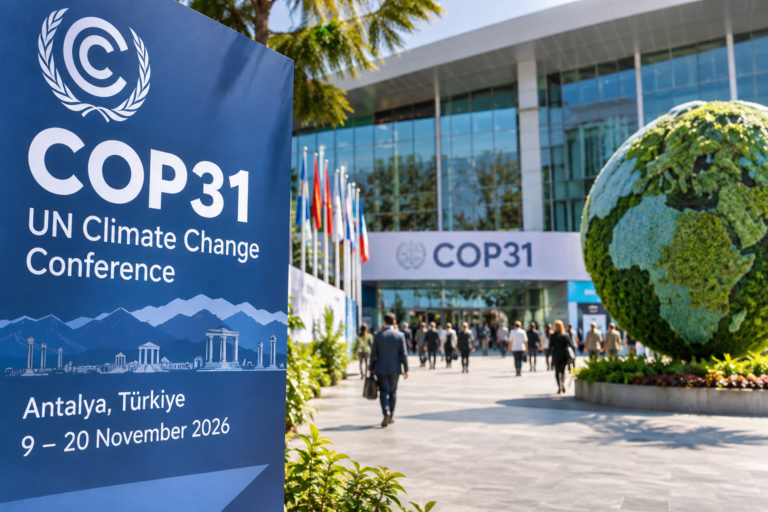
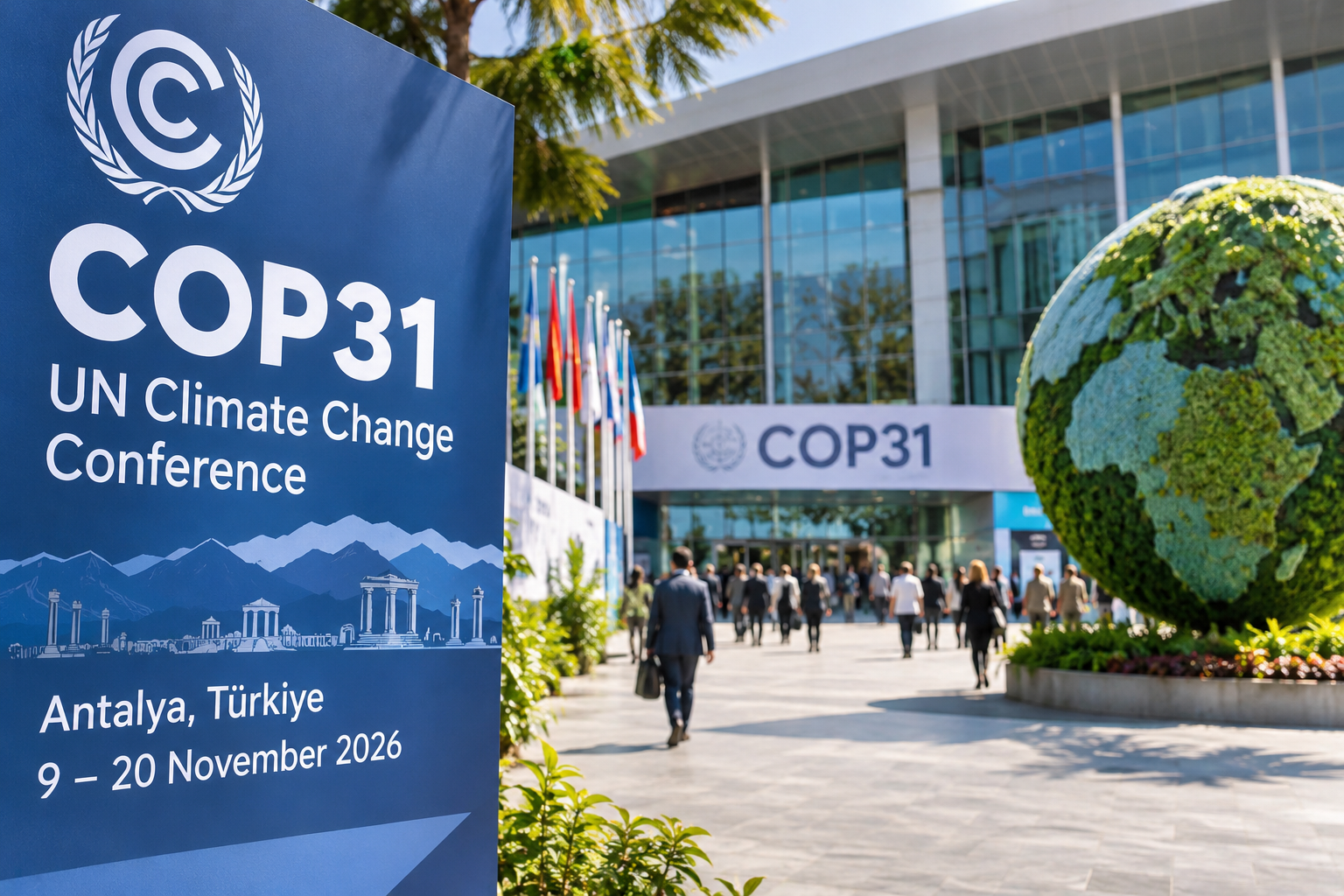
Indonesia has reaffirmed its commitment to pursuing economic growth without sacrificing environmental protection at COP31, the United Nations climate conference taking place in Antalya, Türkiye, from November 9 to 20.
Speaking at the Leaders’ Summit on November 12, presidential climate envoy Hashim Djojohadikusumo outlined the government’s approach to balancing industrial development, energy security, and climate commitments.
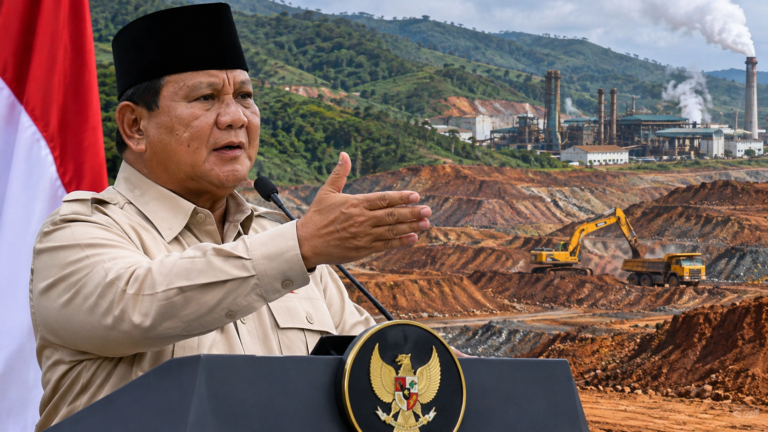
Representing President Prabowo Subianto, Hashim emphasized that Indonesia intends to strengthen its economy, create jobs, and expand industrial production while reducing environmental damage.
The announcement comes as countries negotiate how to accelerate the transition away from fossil fuels, with disagreements persisting over the economic consequences for developing nations.
Indonesia’s climate ambitions face economic realities
Indonesia has committed to achieving net-zero greenhouse gas emissions by 2060 or sooner. Its latest climate plan, submitted to the United Nations in October 2025, projects national emissions reaching their peak around 2030 before declining under different development scenarios. However, meeting these commitments presents considerable challenges.
Indonesia is among the world’s major coal producers, and coal remains central to its electricity supply. The country also depends on energy-intensive industries, including nickel processing, steel manufacturing, and other mineral-based activities. These industries contribute to exports, employment, and the government’s ambitions to move beyond raw material production.
Reducing fossil fuel dependence will therefore require significant investment in alternative energy sources, electricity infrastructure, and industrial technology. The central question is how quickly Indonesia can make this transition without undermining energy affordability or industrial competitiveness.
Renewable energy becomes a central priority at COP31
During his November 12 address, Hashim highlighted Indonesia’s plans to develop 100 gigawatts of solar power capacity as part of its transition toward cleaner electricity. The ambitious target reflects the government’s intention to expand renewable energy while supporting growing electricity demand.
However, developing solar power on this scale requires more than building generating facilities. Indonesia must also expand transmission networks, develop energy storage, and attract substantial private investment.
Coal continues to present a difficult challenge
Although Indonesia has introduced restrictions on new coal-fired power plants, exceptions remain for certain industrial facilities, including those supporting mineral processing.
The Institute for Essential Services Reform (IESR), an Indonesian energy policy organization, warned on November 9 that the country’s energy transition requires clearer plans for reducing coal dependence and protecting affected workers. The organization also called for stronger renewable energy investment and a more credible timetable for retiring older coal plants.
Indonesia seeks international funding for its climate transition
Financing is another major concern. On November 11, Indonesia’s National Development Planning Ministry, Bappenas, discussed the country’s climate investment requirements with representatives from financial institutions, industry, and international organizations at COP31. According to Bappenas, Indonesia’s latest climate commitments will require an estimated US$472.6 billion between 2031 and 2035. The government acknowledges that public finances alone cannot cover these costs.
During his national statement, Hashim urged developed countries to fulfill their international climate finance commitments, including the goal of mobilizing at least US$300 billion annually for developing countries by 2035.
He also emphasized the importance of affordable financing, technology transfers, and international cooperation that respects national development priorities.
For Indonesia, the distinction between grants, affordable loans, and commercial investment matters. Each offers different opportunities and financial obligations.
Protecting forests while expanding the economy
Indonesia also presented environmental conservation as part of its development strategy. Hashim said the government intends to improve agricultural productivity on degraded land rather than expand farming into primary forests. He highlighted social forestry programs that have provided more than 1.4 million families with access to over eight million hectares of forest for sustainable management.
The government also plans to expand customary forest recognition, supporting indigenous communities and their livelihoods. These initiatives reflect Indonesia’s argument that conservation can contribute to economic security rather than simply restrict development.
Indonesia is seeking to finance environmental protection through international carbon markets
Speaking at COP31 on November 14, Environment Ministry official Ary Sudijanto explained that independently verified emissions reductions can generate carbon credits, helping fund projects such as mangrove restoration. These initiatives can also create employment and support local livelihoods through seedling production, planting, and ecosystem maintenance. Sudijanto emphasized that carbon trading should primarily support long-term climate action, with economic benefits serving as an additional advantage.
What COP31 could mean for Indonesia
With negotiations continuing until November 20, Indonesia is seeking international partnerships that can turn its climate commitments into practical investments. The challenge extends beyond securing funding. Indonesia must demonstrate that cleaner energy, stronger environmental protection, and industrial development can advance together.
For Indonesian households and businesses, the consequences could eventually become visible through electricity costs, employment opportunities, infrastructure investment, and environmental conditions.
The agreements reached at COP31 in Türkiye could influence how Indonesia finances its development and manages its transition toward a lower-carbon economy.
About the Author