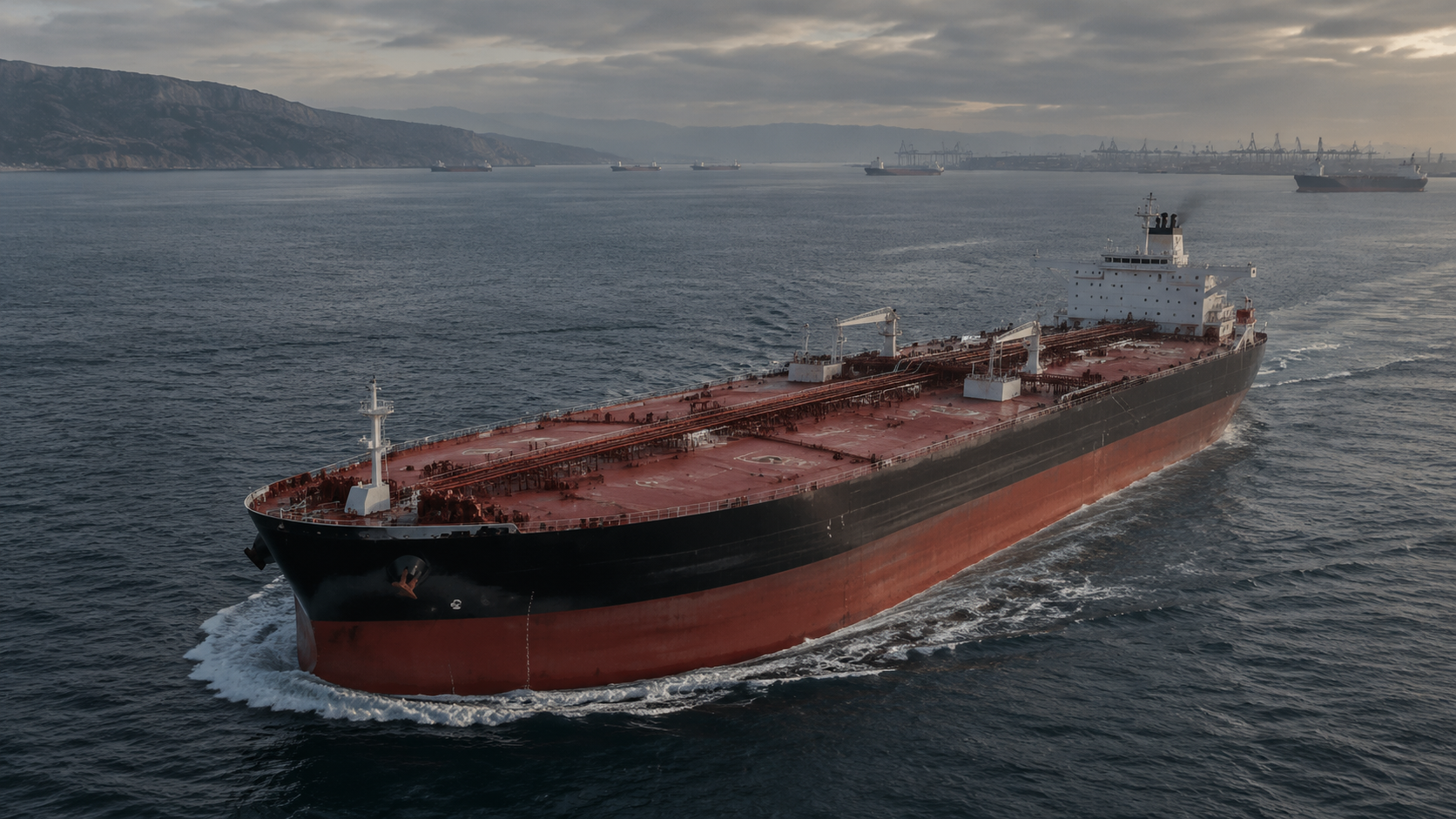
Indonesia is exposed to Trump’s sanctions against Iran through its economic relationship with China. Iranian crude has reportedly entered China under false Indonesian labels, while possible sanctions against Chinese financial institutions and disruptions around the Strait of Hormuz could affect Indonesian trade, energy costs and the rupiah.
Iran has faced sanctions for decades
American sanctions began after the 1979 hostage crisis and later expanded over terrorism, oil investment, missiles and nuclear proliferation. The UN introduced nuclear restrictions in 2006, before the 2015 agreement exchanged limits and inspections for sanctions relief.
Trump withdrew from that agreement in 2018 and restored “maximum pressure.” UN nuclear sanctions returned in September 2025, while Trump created a mechanism in February 2026 for imposing additional tariffs on countries acquiring Iranian goods or services.
These measures have damaged Iran’s economy without breaking its government. That raises fair questions about whether pressure alone can force change, but the reasons for restraining Tehran have not disappeared.
Trump’s sanctions against Iran target Iran’s foreign lifelines
The latest campaign is designed to go beyond another list of sanctioned Iranian officials and institutions. On what Treasury Secretary Scott Bessent called “economic D-Day,” Washington launched Operation Economic Outcast, sanctioned nearly 60 people, companies and vessels, and expanded possible secondary sanctions to digital assets, technology, gold, aviation and shipping. Major Chinese banks were spared in the first wave, but foreign entities that continue enabling Iranian trade could ultimately be cut off from the US financial system.
China buys Iranian oil by choice
More than 80% of Iran’s shipped oil went to China in 2025. Chinese buyers received an estimated 1.38 million barrels daily, equal to roughly 12% of China’s crude imports.
China could survive without this supply. It could buy more from Russia, Saudi Arabia, Iraq, Brazil, the UAE, Oman or other producers. Saudi Aramco has already offered Chinese buyers additional cargoes through loading points outside Hormuz.
Replacement would cost more, however. Iranian crude trades at a discount because most buyers avoid the sanctions risk, and independent Chinese refineries have built profitable operations around those cheaper barrels.
Beijing’s purchases are therefore not an unavoidable act of economic survival. China chooses Iranian oil because it is cheap and strategically useful. Those purchases provide crucial revenue to an oppressive regime and weaken efforts to restrain its nuclear and military ambitions. China cannot present itself as a neutral advocate of peace while serving as Tehran’s main economic lifeline. It should be held accountable for that choice.
Reuters has also reported a possible Chinese sale of up to 400 shoulder-fired air-defence launchers to Iran. Beijing called the report groundless, and delivery has not been confirmed. If China or any other country supplies weapons that help Tehran rebuild its military capabilities, it should face consequences.
China is not Iran’s only trading partner
Although China buys most of Iran’s exported crude and provides Tehran with a crucial source of foreign revenue, it is not Iran’s only trading partner.
Moscow and Tehran signed a 20-year strategic partnership in 2025, while Iran has supplied Russia with drones and ballistic missiles for its war in Ukraine, according to Western governments and media investigations. Moscow’s existing isolation from Western markets makes it harder to pressure than countries dependent on American finance.
Iran also retains significant trade ties with Turkey, Iraq, Pakistan, India and Oman. These countries could also come under pressure from Operation Economic Outcast, particularly if their banks or companies facilitate transactions that finance Iran’s military and nuclear programmes, although humanitarian exports should be treated differently.
The case for Trump’s sanctions against Iran
Iran remains an oppressive clerical state that persecutes dissidents and restricts women’s basic freedoms. Iran International claimed that more than 36,500 people died during January’s crackdown, citing purported classified documents, while Iran’s official figure was 3,117. Independent verification remains impossible, but even the lower figure reveals appalling bloodshed.
Abroad, Tehran has armed proxies, expanded missile warfare and contributed heavily to instability in Lebanon, Yemen, Iraq, Syria and the Gulf. A government with this record must never acquire nuclear weapons.
Tehran has also used the Strait of Hormuz as an instrument of pressure. The waterway normally handles approximately 20% of global oil and LNG shipments, making any disruption a threat to economies far beyond the Middle East.
Why this has become Indonesia’s problem
Indonesia is exposed to both China and the United States
China accounted for approximately 25.6% of Indonesia’s non-oil and gas exports during the first half of 2026. The United States ranked second with around 11.8%.
Washington has not yet sanctioned major Chinese banks suspected of facilitating Iranian oil purchases. If it does, restrictions on banks, shipping companies or payment networks could complicate transactions involving Indonesian exporters. A deeper US-China confrontation could also weaken Chinese demand, disturb supply chains and affect investment flows into Indonesia.
Indonesia would not automatically become a sanctions target. But its close integration with Chinese trade means serious financial disruption inside China rarely stops at China’s borders.
Indonesia’s name is appearing in the oil trail
Iranian oil delivered to China has long been presented as Malaysian crude. Traders now say some shipments have also been labelled as Indonesian.
There is no evidence that the Indonesian government authorized or participated in this practice. Nevertheless, the sudden rise in China’s declared imports of Indonesian crude has attracted attention from analysts and sanctions authorities.
False declarations could damage confidence in legitimate Indonesian shipments and subject Indonesian traders, ports and financial institutions to greater scrutiny. Jakarta therefore has a direct interest in tracing cargo origins and preventing foreign networks from misusing Indonesia’s name.
Indonesia is also exposed through energy markets. About 20.4% of Pertamina’s imported oil passed through Hormuz in 2025, meaning disruption can raise fuel costs, weaken the rupiah and increase pressure on government subsidies.
About the Author