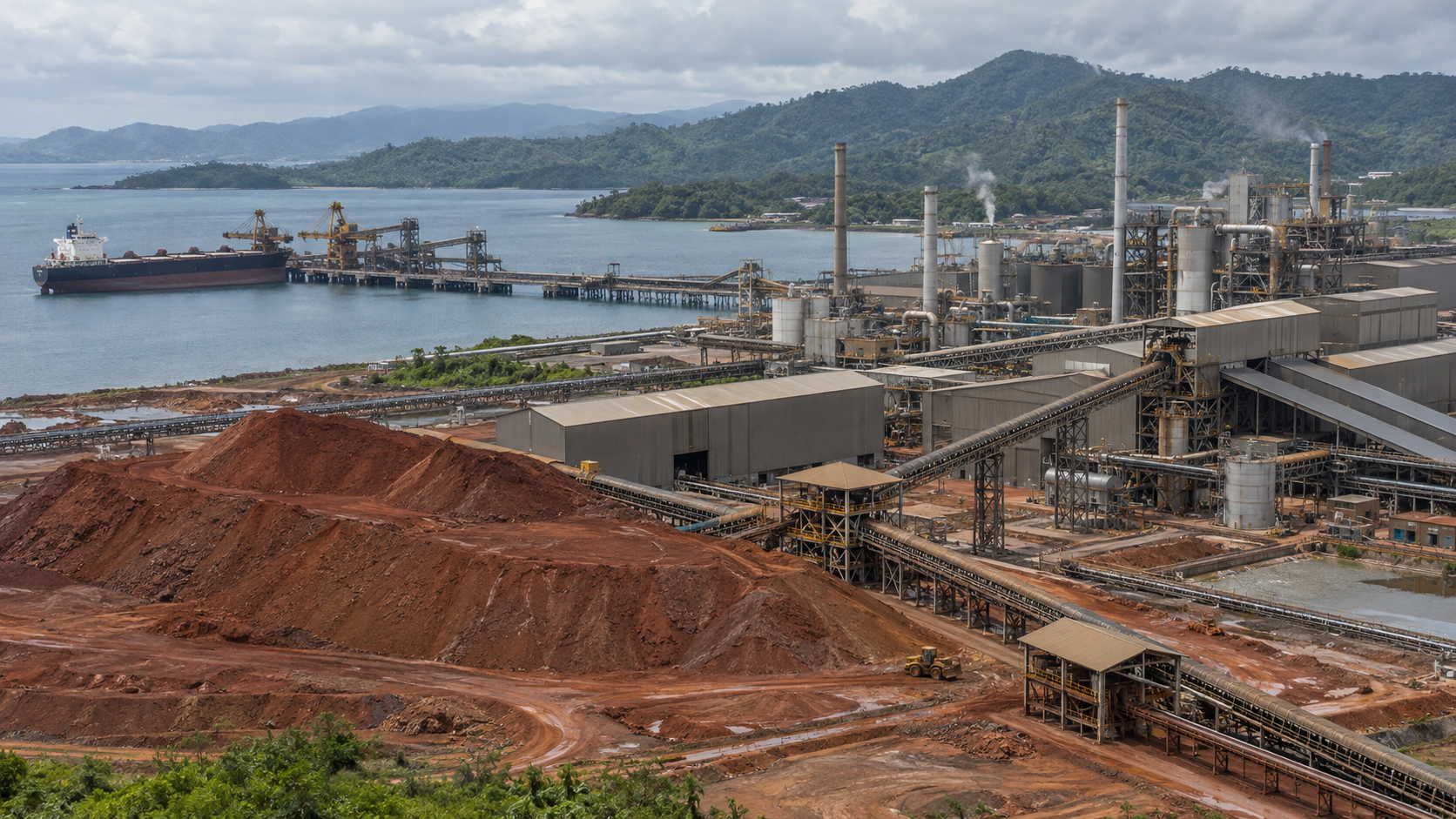
Indonesia’s mineral talks with Chile and US businesses offer an opportunity to broaden an industry heavily reliant on China. The proposals remain preliminary, but they raise a question: how much independence does mineral wealth provide when foreign partners dominate processing and purchasing?
Diversification deserves priority when dependence carries economic, geopolitical and ethical risks.
New partners, practical possibilities
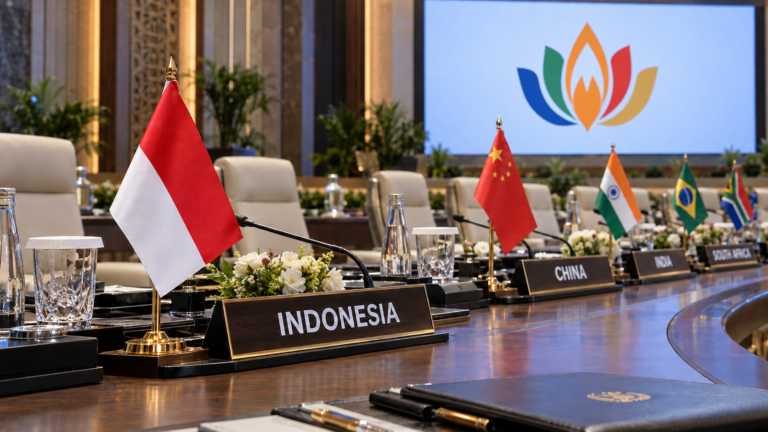
On October 1, Deputy Foreign Minister Arif Havas Oegroseno proposed a Green Minerals Partnership with Chile. It would cover joint industrial projects, cleaner mining technology, investment and cooperation among producing countries.
He also encouraged battery and electric vehicle cooperation involving Chile’s Codelco, Freeport Indonesia and INALUM. Managing and reusing mineral processing waste featured in the discussions.
Separately, Trade Minister Budi Santoso met the US Chamber of Commerce on September 30. He invited American businesses to explore domestic processing, rare earths, renewable energy and technology cooperation.
These discussions could widen Indonesia’s choices. They have yet to deliver the specific projects that would change its industrial dependence.
Mineral wealth does not guarantee control
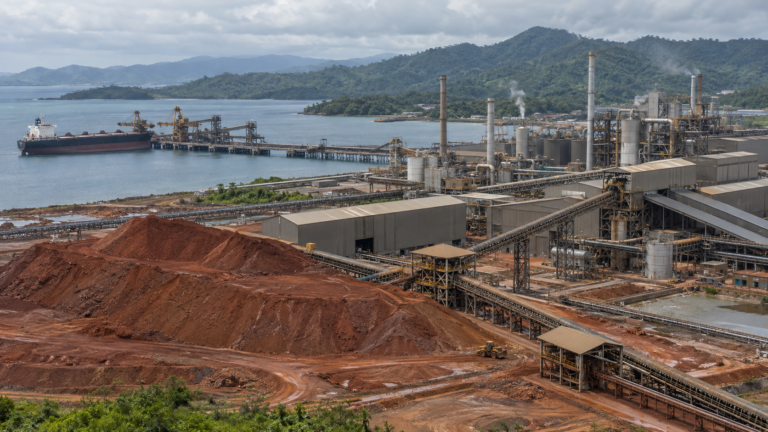
Chinese investment helped Indonesia expand processing and become a major nickel producer. That contribution is substantial, but so is the concentration it created.
The International Energy Agency estimates that around 75% of Indonesia’s nickel refining capacity is linked to Chinese investment. It warns that concentrated relationships with investors, technology providers and buyers increase exposure to external market conditions.
For Indonesia, that means vulnerability when demand weakens, financing priorities change or trade barriers restrict access to customers. Domestic processing brings value, but its location alone does not establish Indonesian control over technology or commercial decisions.
Beyond economics: the geopolitical risks of relying on China
China’s rare earth controls illustrate the consequences of concentrated supply. According to the IEA, restrictions introduced in April 2025 forced some automakers to reduce or temporarily halt production.
Nickel is not a rare earth. However, both belong to the broader critical minerals debate, where processing capacity can translate into political leverage.
Trump’s tariffs and US–China trade tensions add uncertainty to investment and market access. A crisis around Taiwan or the South China Sea could also disrupt shipping and commercial relationships.
Beijing’s close ties with Russia and strategic partnership with Iran further complicate the geopolitical setting. Indonesia should assess these exposures before deepening dependence on Chinese industrial networks.
Labor standards belong in the calculation
The ethical concerns also reach Indonesia’s nickel sector.
The US Department of Labor lists Indonesian nickel among goods produced with forced labor. It cites reports concerning Chinese migrant workers at majority Chinese-owned industrial parks, including passport confiscation, restricted movement and forced overtime.
Those findings do not establish abuse at every operation. They do strengthen the case for independent inspections and enforceable worker protections.
Indonesia should demand technology transfer, stronger local suppliers and a broader customer base from new partnerships. Dependence on China deserves scrutiny beyond investment totals. Mineral wealth should expand Indonesia’s freedom to make decisions; excessive reliance on one partner can steadily narrow it.
About the Author