Krakatau
Airports have reopened, schools have resumed face-to-face lessons and the large ash cloud from Anak Krakatau is no longer visible over Indonesia. However, the volcano remains active, while questions continue about the eruption’s effects on respiratory health.
Anak Krakatau was still at Alert Level III, or Siaga, on September 15. People are prohibited from entering a three-kilometre radius around the crater.
The situation is therefore no longer causing the widespread disruption seen during the first days of the eruption, but it has not entirely returned to normal. Volcanic activity is continuing beneath the surface, deposited ash may still be disturbed locally, and another eruption remains possible.
The main eruption has ended, but activity continues
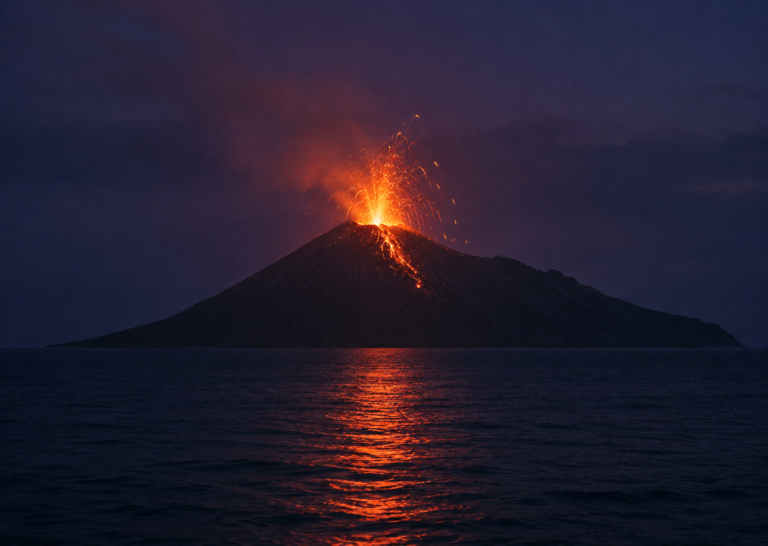
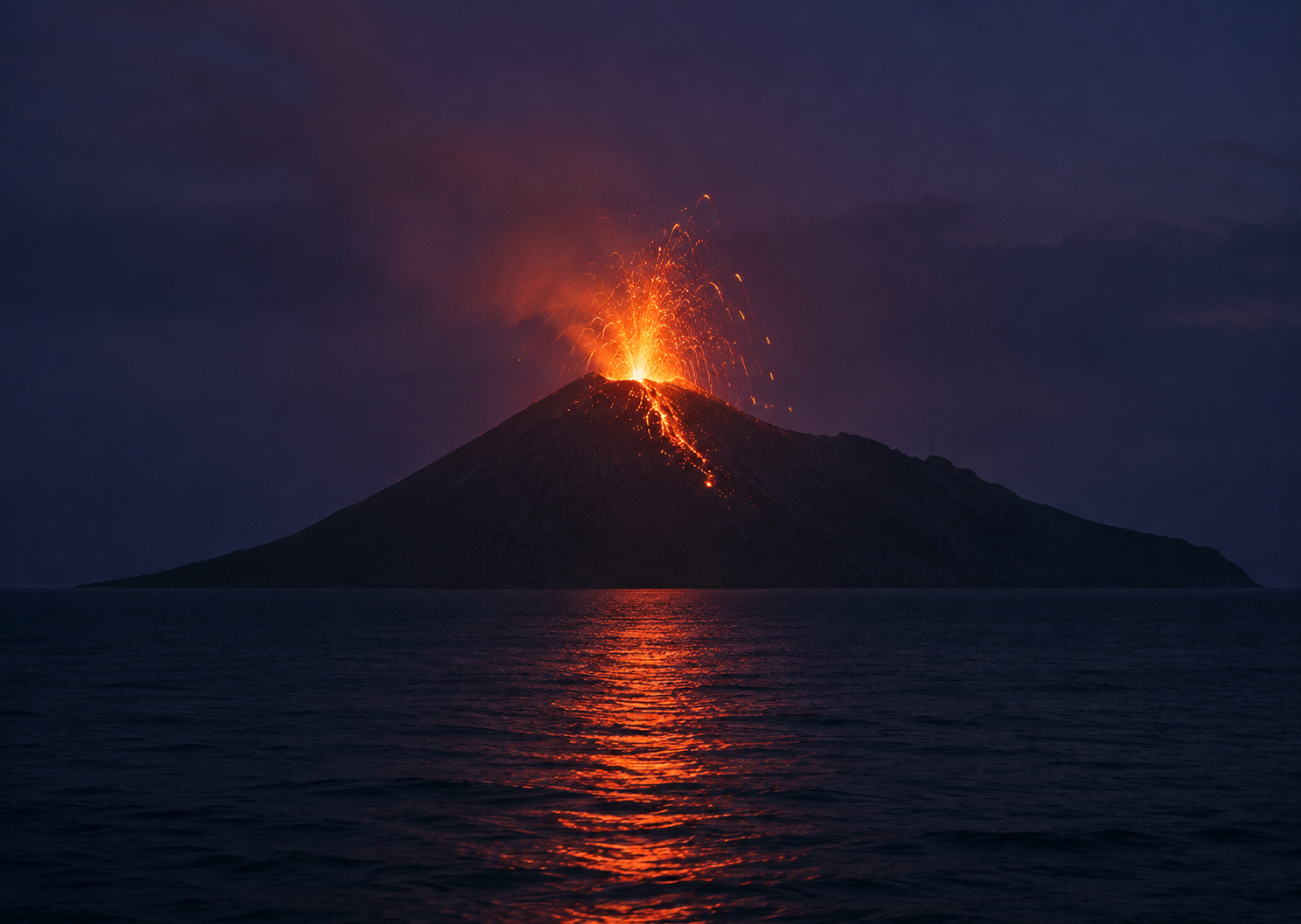
Anak Krakatau entered a continuous eruptive phase late on September 4. For approximately 25 hours, it produced repeated explosions, lava fountains and ash columns that reached as high as 50,000 feet.
That continuous phase ended shortly after midnight on September 6. However, Indonesia’s Geological Agency recorded another 14 smaller Strombolian eruptions through the morning of September 11.
Recent monitoring has shown a decline in shallow volcanic activity but an increase in deeper volcanic earthquakes. According to Indonesia’s National Disaster Management Agency, this may indicate that magma is continuing to enter the volcanic system from below.
During the latest reported observation period on September 15, instruments detected low-frequency earthquakes, a hybrid earthquake and continuous tremor. No new eruption was recorded during that period, although fog prevented observers from seeing the crater clearly.
This means Anak Krakatau is active but not currently experiencing the same continuous eruption that caused the earlier disruption. Authorities nevertheless consider the possibility of another eruption to be significant enough to maintain the Level III alert.
The widespread airborne ash has cleared
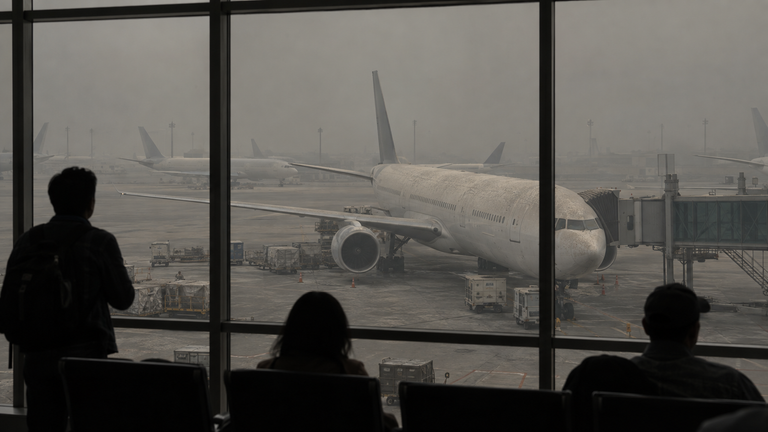
Volcanic ash initially travelled across parts of Sumatra, Banten, Jakarta and West Java. Its presence in airport airspace and on runways forced eight airports to suspend operations, disrupting 2,961 flights and affecting approximately 341,000 passengers.
Testing found no ash at the affected airports by the morning of September 8, allowing all eight to reopen. Satellite monitoring later found that the wider Anak Krakatau ash cloud was no longer detectable over Indonesian territory after the afternoon of September 10.
No renewed airport closures or widespread flight disruption connected to the volcano have been reported since then. Schools in affected areas have also returned to classroom teaching after temporarily moving lessons online.
However, the disappearance of an airborne plume does not mean that all the ash deposited on the ground has disappeared. Ash can remain on roofs, roads, vegetation and soil. When conditions are dry, wind, passing vehicles or cleaning can lift it back into the air.
A new eruption could also produce another ash cloud, with its direction depending on wind conditions at the time.
Respiratory infections increased in affected regions
The Indonesian Health Ministry reported 68,919 cases of acute respiratory infection across 23 cities and regencies in four provinces affected by ash. The total included 14,439 cases among children aged five or younger.
The figure requires careful interpretation. It represents infections recorded in areas affected by the eruption, rather than a confirmed total of illnesses directly caused by Anak Krakatau.
Authorities in Bandar Lampung, for example, reported that daily respiratory cases rose from 527 on September 4 to 716 on September 7. However, the local health agency said that several days of data were not enough to establish volcanic ash as the direct cause of the increase.
Volcanic ash can irritate the nose, throat and lungs because it consists of very small pieces of rock, minerals and volcanic glass. Exposure can cause coughing, throat irritation, shortness of breath and discomfort in the eyes. People with asthma or other existing respiratory conditions may experience more serious symptoms.
Children, older people and those working outside are also more vulnerable, particularly when dry ash is disturbed.
Wildfire haze complicates the health picture
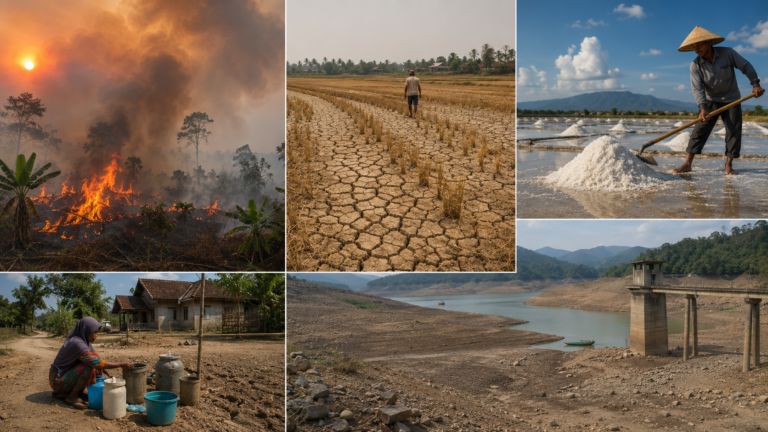
Anak Krakatau is not the only source of air pollution affecting Indonesia. Forest and peatland fires have also produced extensive haze across parts of Sumatra and Kalimantan.
By September 9, more than 113,000 respiratory infections had been recorded in regions affected by wildfire smoke, more than twice the number reported at the beginning of the month.
Volcanic ash and wildfire smoke can cause similar symptoms, and some areas have been exposed to both. This makes it difficult to determine how many recent infections resulted from the eruption, how many were connected to wildfire haze, and how many would have occurred for unrelated reasons.
It would therefore be misleading to attribute all 68,919 infections in ash-affected regions directly to Anak Krakatau.
Local precautions are still advisable
For most people outside the affected districts, the clearing of the regional ash cloud means the immediate exposure risk has fallen substantially. Precautions remain appropriate where deposited ash is visible, where local air quality is poor or if another ashfall warning is issued.
Dry ash should be dampened before it is collected instead of being swept into the air. Windows and doors can be closed during periods of poor air quality, while unnecessary outdoor activity should be reduced.
A well-fitting N95, KN95 or KF94 mask provides better protection from fine particles than a loose surgical mask. Anyone experiencing serious breathing difficulties, chest pain or worsening asthma symptoms should seek medical assistance.
About the Author