Taiwan Maritime Tensions
China’s pressure on Taiwan is not only a Taiwan Strait issue. For Indonesia, it is part of a wider Indo-Pacific story about maritime power, coercion, Japan’s security role, and the future of Asian sea lanes.
Taiwan, China, and the Growing Maritime Tensions
In May 2026, China carried out several “joint combat readiness patrols” around Taiwan, including on May 1, May 6, May 19, and May 25. Taiwan said its forces monitored the activity. Beijing framed the patrols as a response to separatism and foreign interference.
China claims Taiwan as part of its territory, while Taiwan’s elected government rejects Beijing’s sovereignty claim. President Lai Ching-te has repeatedly said Taiwan’s future should be decided by its people. Beijing continues to label him a separatist.
The pressure also moved into diplomacy. During the May 2026 Trump-Xi summit in Beijing, Xi Jinping reportedly called Taiwan the most important issue in China-U.S. relations. He warned that mishandling it could push relations into a dangerous place. Taiwan avoided the worst-case diplomatic outcome, but the summit still raised anxiety over U.S. arms sales and deterrence commitments.
Coast Guard Pressure and Taiwan’s Response
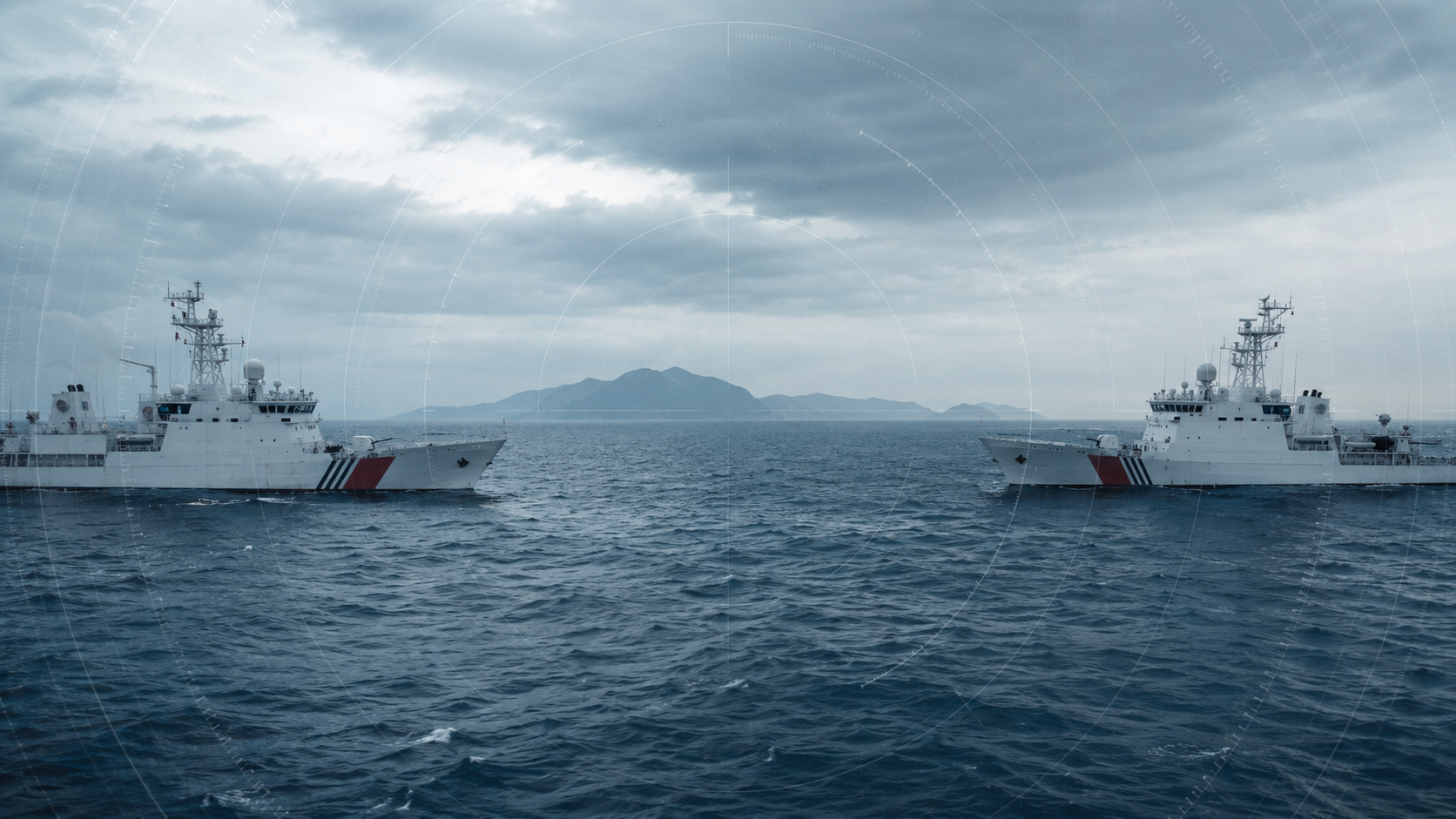
On June 1, China’s coast guard announced patrols in waters east of Taiwan, after Japan and the Philippines said they would begin talks on maritime boundary delimitation. China claimed those talks involved waters it considers its own. Taiwan condemned the move and said Chinese vessels had been seen southeast of Orchid Island.
By June 7, Taiwan said its coast guard had expelled Chinese ships from restricted waters. On June 8 and June 9, Taipei accused Chinese coast guard vessels of harassing commercial shipping near Taiwan by questioning merchant vessels and claiming Chinese jurisdiction. Taiwan told passing ships to ignore the Chinese communications.
On June 9, Taiwanese forces conducted coastal drills near Taichung, simulating the destruction of an invading Chinese force. The exercise reportedly included U.S.-supplied HIMARS rocket systems, artillery, and anti-tank weapons. The message was direct: Taiwan is preparing for the kind of amphibious attack that Chinese pressure is meant to threaten.
Japan’s Role in the Taiwan Maritime Tensions
Tokyo has become more direct about Taiwan Strait stability because any crisis there would affect Japan’s security, sea lanes, energy routes, and nearby islands.
China has reacted angrily to Japan’s more active role. A Japanese warship’s recent Taiwan Strait passage drew Chinese military activity, while Japan’s maritime talks with the Philippines also triggered Beijing’s criticism.
Japan and Indonesia Strengthen Maritime Ties
On March 31, 2026, President Prabowo Subianto met Japanese Prime Minister Sanae Takaichi in Tokyo. The two sides discussed cooperation between maritime nations and strengthening their comprehensive strategic partnership.
On May 22, the Japanese destroyer JS Ikazuchi visited Tanjung Priok in North Jakarta. Indonesia’s navy said the visit aimed to enhance bilateral naval cooperation and regional maritime security coordination. In June, Japan and Indonesia also agreed to begin working-level talks on a possible Japanese naval ship transfer to Indonesia.
Indonesia’s One-China Policy and Sympathy for Taiwan
Indonesia’s official position remains clear. Jakarta recognizes the One-China principle and does not maintain formal diplomatic relations with Taiwan.
But official policy does not erase public sympathy. Many Indonesians can understand why Taiwan’s people want to protect their democracy, choose their leaders, and live without intimidation. Supporting the dignity and self-determination of Taiwan’s people is not the same as calling for Indonesia to abandon its diplomatic position.
Indonesia can respect the One-China policy while still rejecting military threats, coercive patrols, and attempts to change the status quo by force.
Maritime Tensions From Taiwan to the Wider Indo-Pacific
Taiwan, Japan, and Natuna are not the same issue, but they belong to the same Indo-Pacific map. China’s maritime behavior often follows a familiar pattern: patrol, claim, normalize, repeat.
Indonesia has already seen why this matters. Around the North Natuna Sea, Chinese activity and expansive maritime claims have repeatedly tested Indonesia’s rights in its own exclusive economic zone. Indonesia is not a claimant in the Spratly Islands dispute, but it still faces pressure from China’s wider South China Sea posture.
That is why Taiwan should matter to Indonesians. If coast guard intimidation, gray-zone pressure, and legal manipulation become normal near Taiwan, they will not stay near Taiwan.
About the Author