Chinese export controls are adding a new mineral front to global trade wars, after Beijing targeted several U.S. companies linked to rare earths, drones, motors, and defense technology. China presents the move as retaliation for Washington’s restrictions on Chinese firms, but the dispute is bigger than one round of sanctions.
Chinese Export Controls Target U.S. Rare Earth Firms
China’s Commerce Ministry placed several U.S. entities on an export control list, including MP Materials and USA Rare Earth. Both companies are part of Washington’s effort to reduce dependence on Chinese rare earth supply chains.
The restrictions cover dual-use exports. These are goods, materials, or technologies that can serve civilian purposes but may also support military systems.
Beijing also moved against dozens of U.S. companies in government procurement, widening the pressure beyond rare earths alone.
U.S. Restrictions And China’s Retaliation
At first glance, this looks like another tit-for-tat episode between the world’s two largest economies. The United States restricted Chinese companies. China responded against American ones. But that simple version misses the bigger reason this fight keeps escalating.
U.S. restrictions on Chinese firms grew out of long-running concerns about China’s state-backed industrial model, unfair trade practices, military-linked technology development, and Beijing’s dominance over strategic supply chains.
Trump’s tariffs also fit into that wider pushback. They were presented as a response to non-reciprocal trade practices, industrial overcapacity, forced technology transfer, and a trading system that many in Washington argued had allowed China to gain too much advantage.
The Strategic Importance of Rare Earths
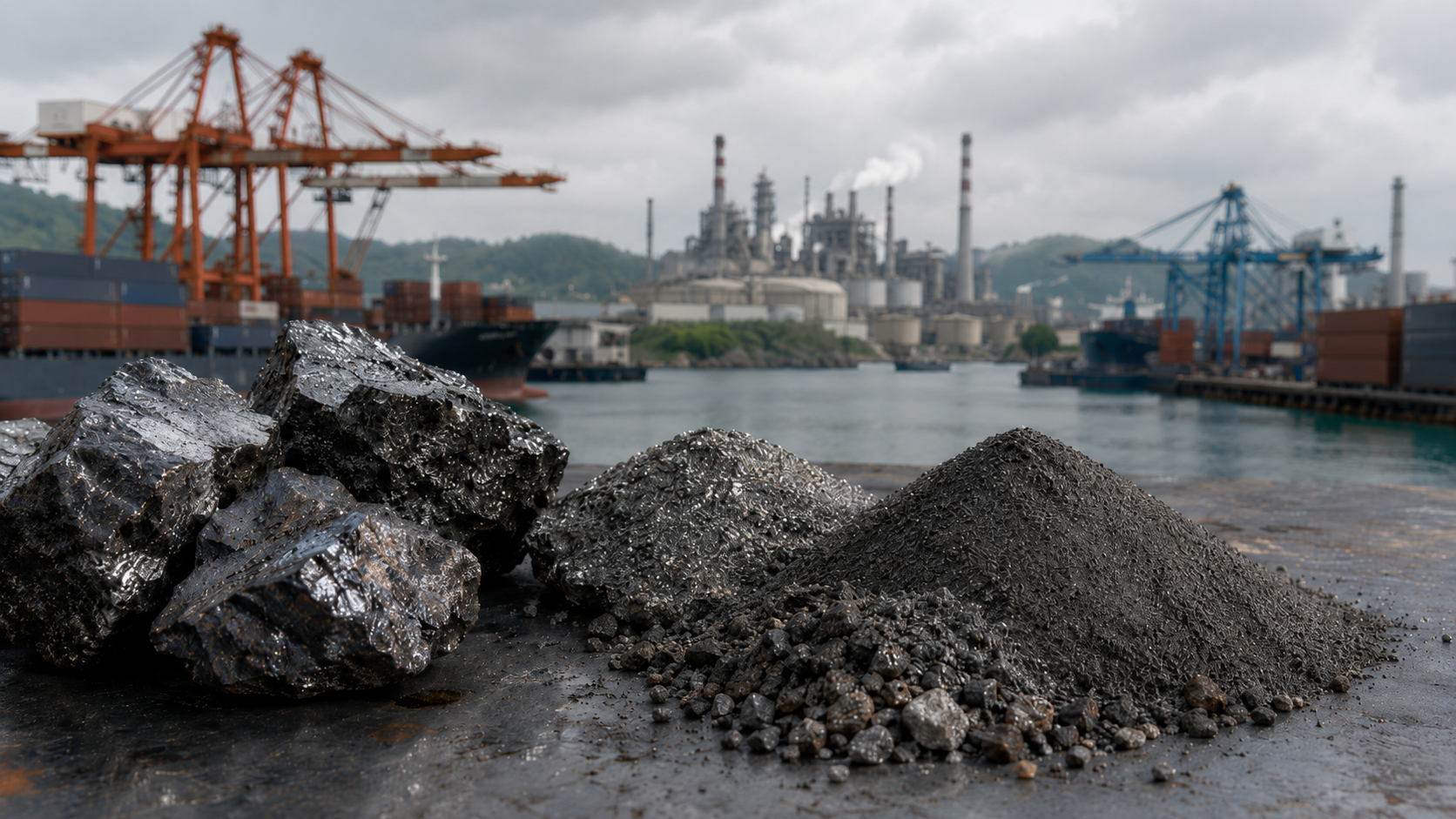
Rare earths sit inside many of the technologies that shape modern power. They are used in strong magnets, electric vehicles, wind turbines, smartphones, drones, aircraft, radar systems, missiles, and other advanced equipment.
The real issue is not only who has the minerals underground. Many countries have mineral deposits. Far fewer can process, refine, and manufacture them at scale.
China dominates much of the rare earth processing chain. This gives it leverage far beyond normal trade. A country can own the soil, but still lose power if another country controls the processing, pricing, and export permits.
Global Trade Wars Are Moving Into Supply Chains
The rare earth dispute marks a new phase in the broader global trade wars. The earlier phase focused heavily on tariffs, imports, factory jobs, and trade deficits. The newer phase goes deeper.
It reaches into chips, batteries, clean energy, defense systems, artificial intelligence, ports, smelters, and mineral processing.
The G7 has also been moving to reduce dependence on China for critical minerals, which shows that this is no longer just a U.S.-China quarrel.
China’s export controls send a message beyond Washington. Beijing is showing that it can use its position in critical supply chains as a political and economic tool. The United States and its allies are trying to weaken that leverage.
Indonesia’s Nickel Push Shows the Stakes
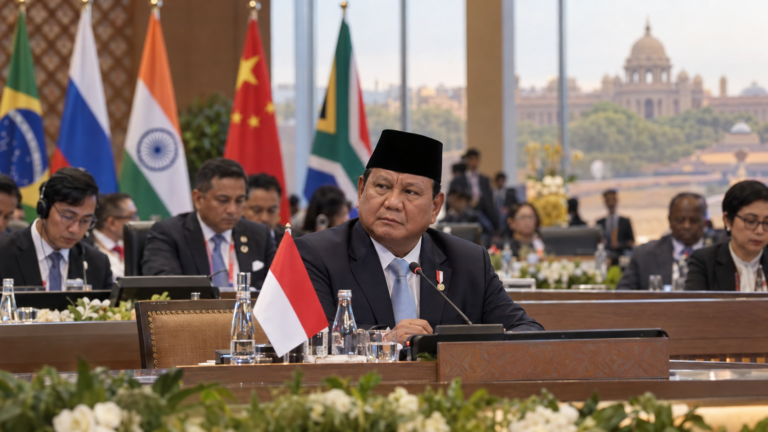
Indonesia, one of the world’s most important nickel producers, is also part of the wider critical minerals race.
Nickel sits at the heart of batteries, electric vehicles, stainless steel, and industrial supply chains.
Jakarta has spent years trying to move beyond raw mineral exports. Its nickel export ban and downstreaming policy were designed to push more processing, smelting, and battery-related investment into Indonesia instead of letting other countries capture most of the value.
That strategy gives Indonesia more leverage, but it also brings new pressure. Chinese companies have played a major role in Indonesia’s nickel boom, especially in smelting and industrial parks. Recent reports that some Chinese nickel investors are looking at alternatives outside Indonesia, as Jakarta adjusts policy and costs, show how quickly mineral policy can become a bargaining contest.
Mineral wealth alone is not enough. Real power comes from controlling more of the chain: mining, refining, technology, pricing, environmental standards, investment rules, and export policy.
About the Author