
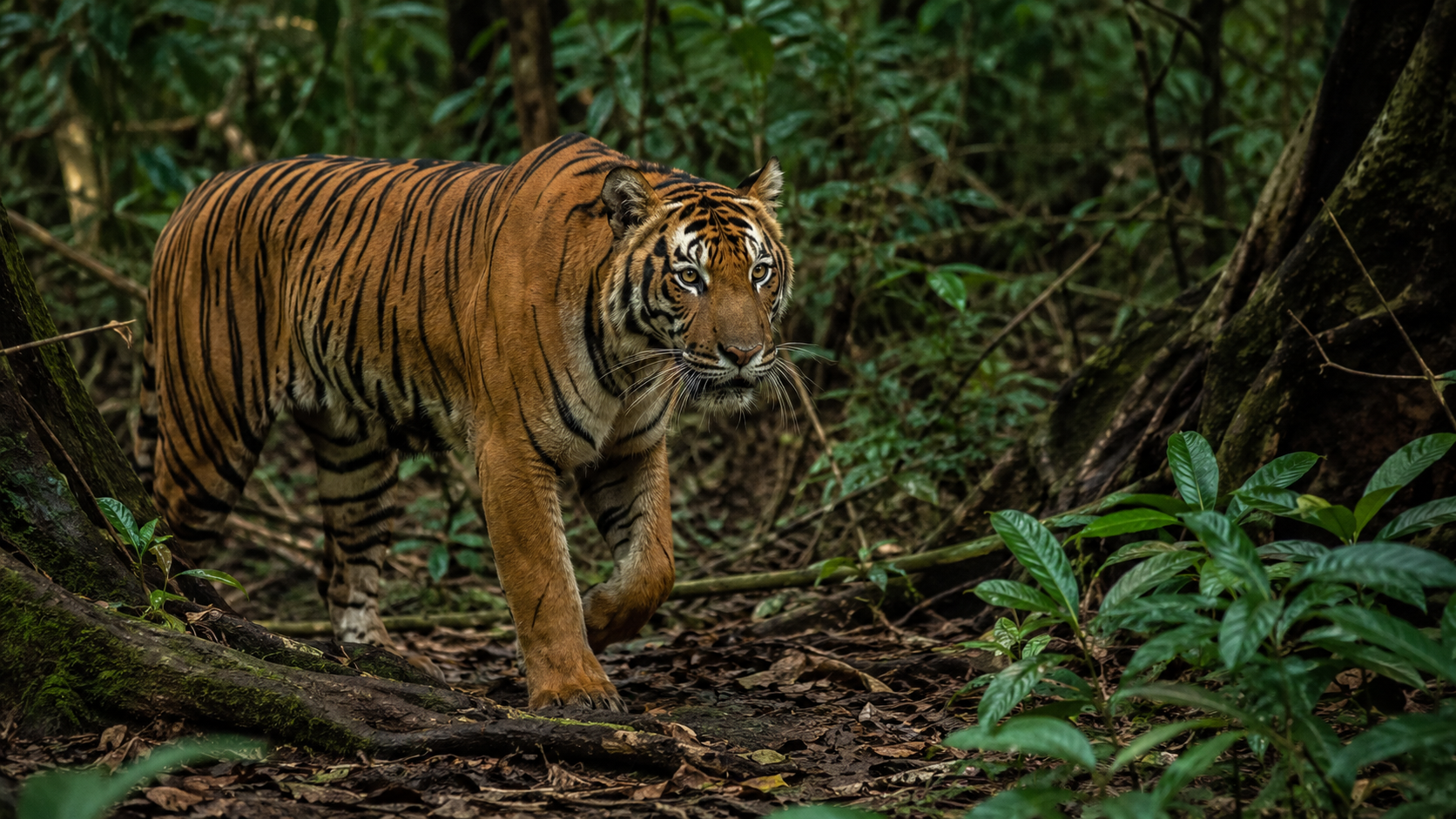
Sumatran Tiger
Sumatran tigers have brought Indonesia a rare piece of good wildlife news: two cubs were born in Lampung in May 2026. But the story is not as comforting as it first sounds. Their parents both survived poaching snares and now live with permanent disabilities. That makes the birth hopeful, but also painfully symbolic.
The Sumatran tiger is Indonesia’s last surviving wild tiger. Bali and Javan tigers have already disappeared. WWF Indonesia describes the Sumatran tiger as darker and more densely striped than other tigers, with adult males reaching about 250 centimeters in length and 140 kilograms in weight. Fauna & Flora estimates that roughly 600 remain in the wild, while the species is classified as Critically Endangered.
Sumatran Tigers Still Need Wild Forests
The Lampung cubs were born to Kyai Batua and Sinta, two rescued tigers that survived human-wildlife conflict. Their pairing formed part of a controlled breeding effort linked to genetic sustainability. The facility also built enclosures designed to resemble natural habitat and support the cubs’ growth.
Captive breeding can preserve genetic lines, educate the public, and give injured animals a second role in conservation. But Indonesia cannot breed its way out of a tiger crisis. A tiger born safely in a conservation park is still a warning if the forest outside remains full of snares.
Recent events show how fragile the situation remains. In January 2026, camera traps in Bukit Tigapuluh National Park recorded four individual tigers, a hopeful sign for that ecosystem. Days later, tracks were found in an oil palm plantation in Riau after a resident came within meters of a tiger. Another sighting near an oil facility in Riau briefly alarmed motorists.
By February, six camera traps were deployed after a tiger sighting in West Sumatra. In March, a young female tiger, less than a year old and underweight, was captured near a village in Riau after repeated sightings and livestock attacks. In May, a snared tiger rescue in Pasaman again pointed to one of the oldest threats facing the species.
Conflict Is a Symptom, Not the Cause
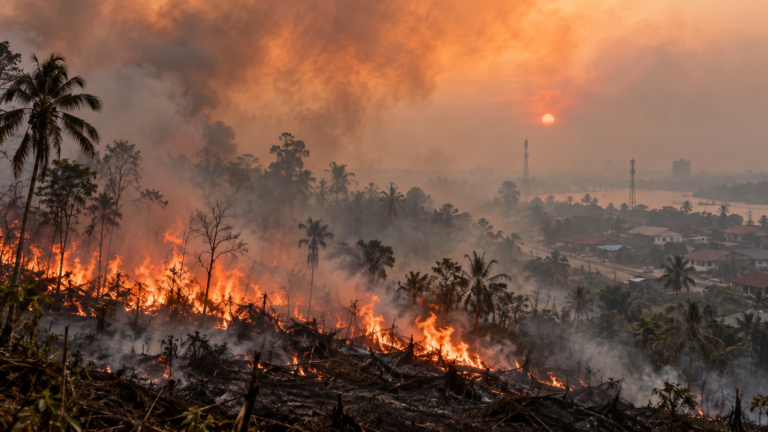
It is easy to frame these incidents as “tigers entering villages.” That misses the larger point. Tigers follow prey, cover, and territory. When forests shrink or break apart, the edges move closer to farms, roads, plantations, and homes.
A late-April case in Bengkulu added another grim detail. A tiger was found dead near two dead Sumatran elephants in a production forest area, with the cause still under investigation. The case underlines a broader landscape crisis, not just a single-species problem.
Snares remain especially cruel because they do not choose their victims. A trap set for wild pigs can cripple a tiger, kill a cub, or injure other protected animals.
Rescue Stories Are Not Enough
Indonesia deserves credit when it rescues injured wildlife, monitors tiger movements, or records breeding success. These actions save individual animals and produce valuable data. But rescue stories can also hide the harder work.
The real conservation test is habitat protection. That means keeping forest corridors intact, stopping illegal clearing, reducing prey loss, removing snares, and helping villages protect livestock without killing wildlife. It also means treating local communities as partners, not obstacles.
The two cubs in Lampung are worth celebrating. They show that even injured animals can contribute to survival when people intervene responsibly. But the future of Sumatran tigers will not be decided inside enclosures. It will be decided in Sumatra’s forests, plantation edges, and village borders, where Indonesia’s last tiger still has to fight for space.
About the Author




1 thought on “Sumatran Tigers Show Hope in Captivity, but Danger in the Wild”
Comments are closed.