
Social media
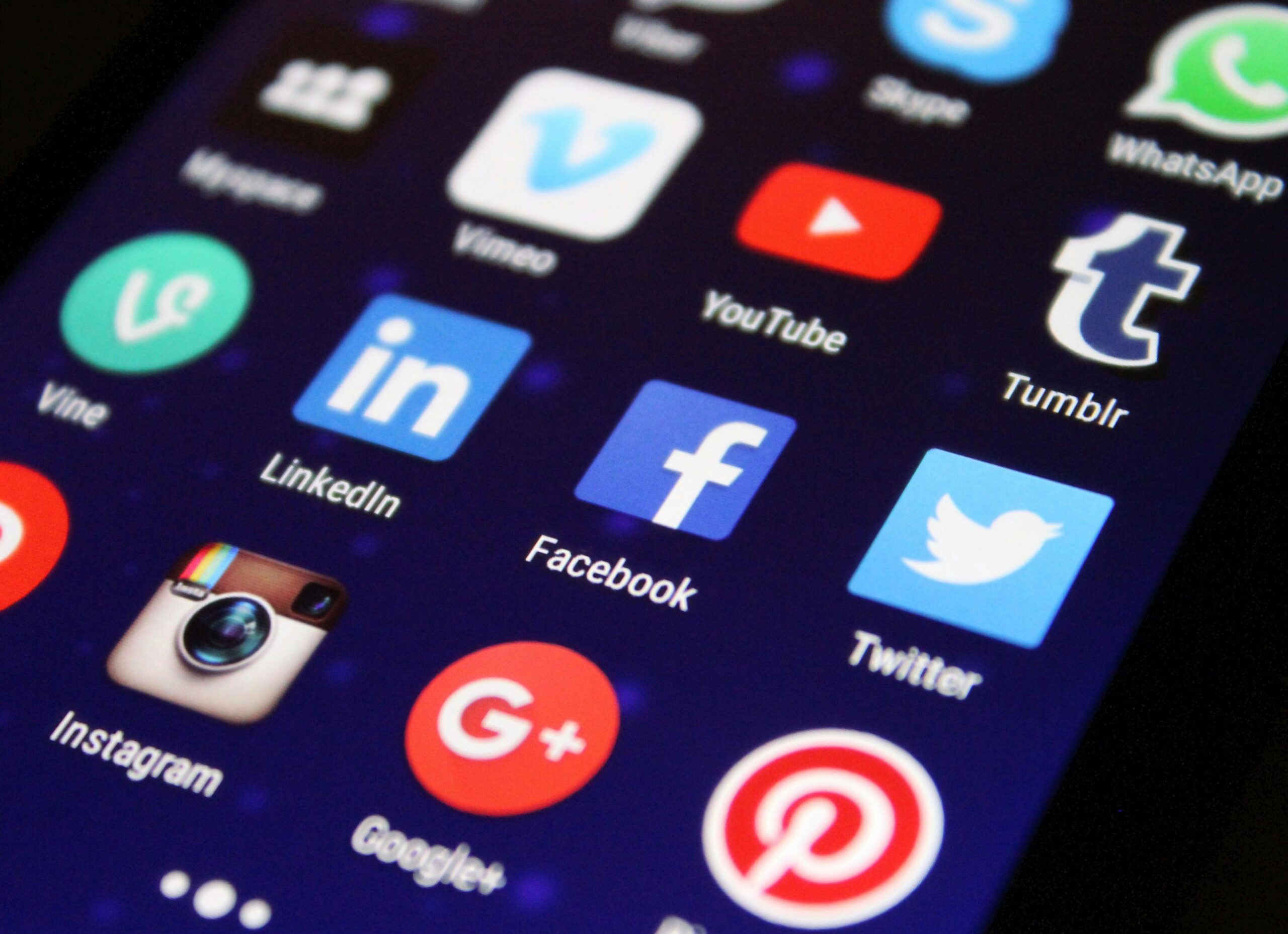
Indonesia has begun implementing new social media rules that ban children younger than 16 from accessing digital platforms that could expose them to pornography, cyberbullying, online scams, gambling, harmful content, and addiction.
Around the world, governments are moving from a mostly open internet toward one that is more regulated, age-gated, and closely monitored.
The Global Debate Over Social Media Rules
Australia has pushed the debate furthest among democracies. Its minimum-age policy bars under-16 users from holding accounts on major platforms, while placing the burden on companies rather than children or parents. Canberra describes the measure less as a punishment than as a “delay” in access. That wording matters. It frames the issue as child protection, not censorship, even as critics warn that age checks may normalize deeper forms of digital identification.
Europe is moving in the same direction. The European Commission has urged member states to roll out age-verification tools to protect minors online. Meta also faces pressure under the Digital Services Act over whether Facebook and Instagram do enough to keep under-13 users off their platforms. France, Spain, Greece, Norway, the United Kingdom, and Malaysia have all debated or advanced stricter limits for younger users.
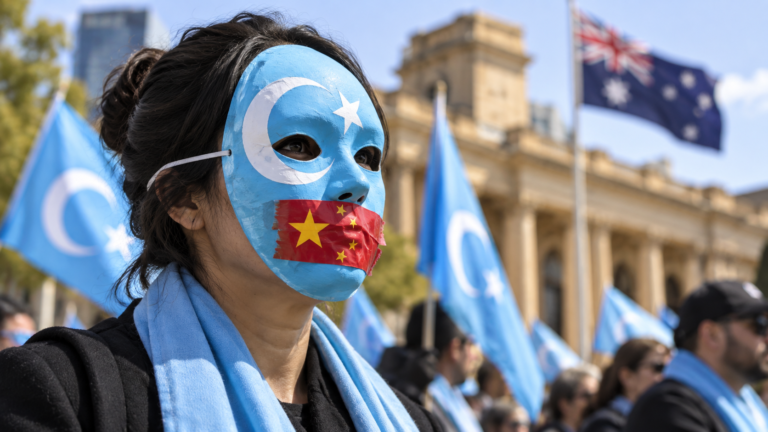
China remains the extreme example of a tightly controlled national internet, where state supervision sits at the center of digital life. Indonesia is not following that model. Its online culture remains noisy, political, religious, commercial, funny, argumentative, and often chaotic. But Indonesia’s new measures still belong to a wider trend: the internet is becoming less open by default and more conditional by design.
Indonesia’s Under-16 Shift
Indonesia began implementing its new restrictions in late March. The policy covers “high-risk” platforms including TikTok, YouTube, Facebook, Instagram, Threads, X, Bigo Live, and Roblox. Officials have framed the move around serious concerns: pornography, cyberbullying, scams, online gambling, addiction, and harmful content.
The policy has already produced visible results. Indonesia’s Communication and Digital Affairs Ministry has pressed companies to disclose how many under-16 accounts they have suspended or closed. TikTok reported 1.7 million deactivated accounts, while other platforms have promised compliance but have been slower to release detailed figures.
Roblox has become the most striking case. The platform announced facial-scan age checks for Indonesian children under 16. Users who do not verify their age can be moved into more restricted account types, with tighter limits on chat and access. Roblox also identified millions of Indonesian child accounts for age-restricted versions of the platform.
That may protect young users in some cases. It also raises the harder question behind this whole trend: how much personal data should people surrender to prove they are allowed to participate online?
Protection, Privacy, and Platform Power
Online gambling has become a serious social problem in Indonesia, and the government says it removed more than 4.1 million pieces of negative content between October 2024 and April 2026. Much of that enforcement targets illegal gambling, pornography, fraud, and other material that many Indonesians do want restricted.
Indonesia’s earlier move against social-commerce transactions showed the same instinct from another angle. In 2023, the government banned e-commerce transactions inside social media apps, forcing TikTok Shop to halt direct transactions before TikTok later re-entered the market through Tokopedia. Jakarta argued that it wanted to protect small merchants and users’ data.
The free internet is not disappearing in one dramatic moment. It is being redesigned through child-safety rules, anti-gambling campaigns, platform licensing, content takedowns, age verification, and data-governance laws.
Some of this is necessary. A completely unregulated internet has produced scams, exploitation, addiction, and social damage. But a heavily regulated internet brings its own dangers.
About the Author



1 thought on “Indonesia’s Social Media Rules Reflect a Global Shift”
Comments are closed.