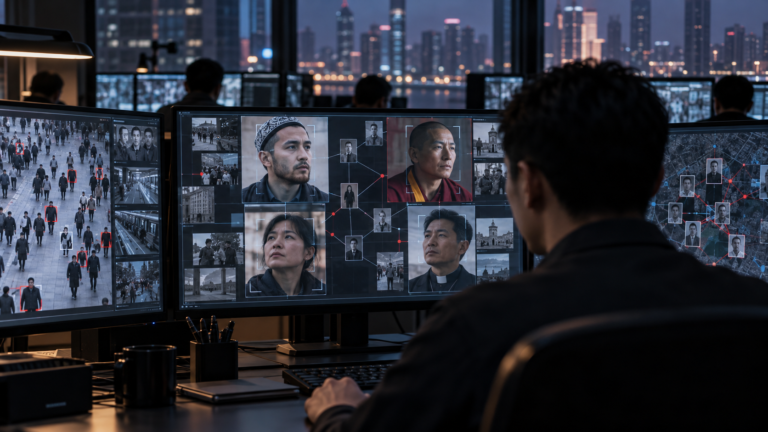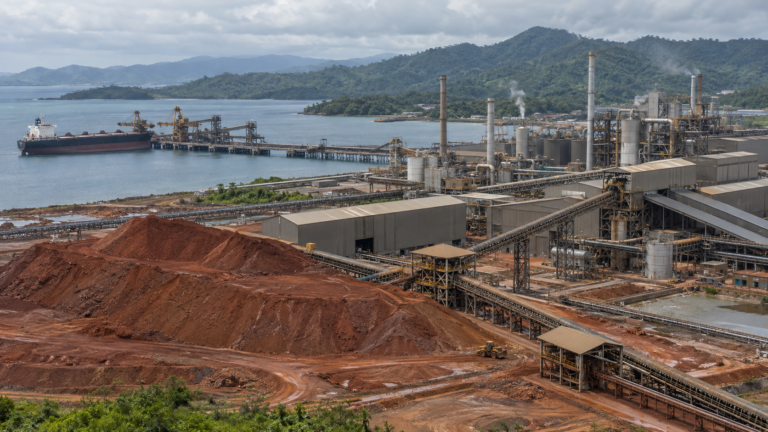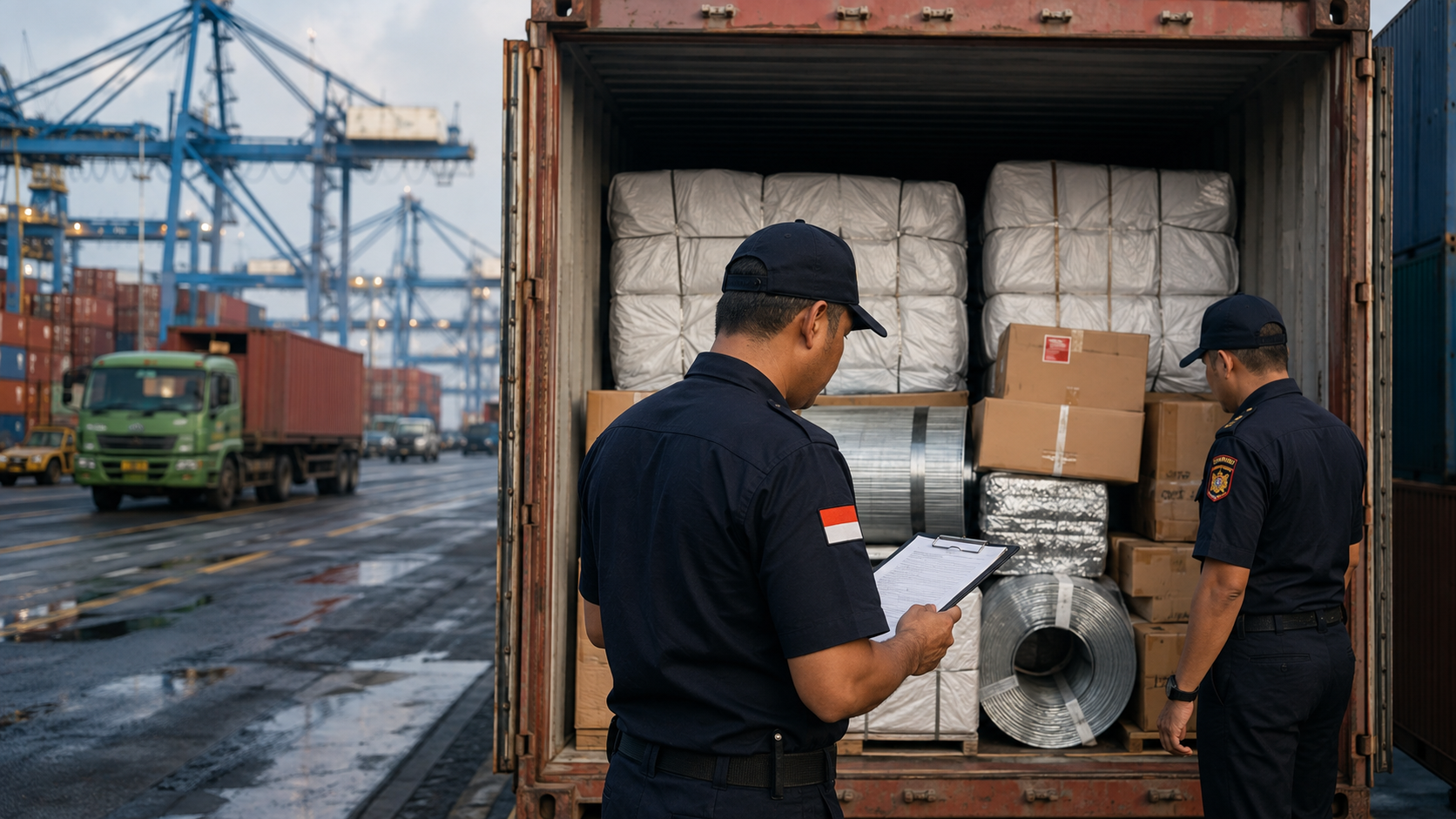
The United States has added 43 Chinese companies to a blacklist designed to keep forced labor imports out of the country. The expansion, announced on July 31 and implemented on August 3, brings the list to 187 entities. It also raises a question for Indonesia: can its own new import regulation identify goods connected to opaque Chinese supply chains?
The additions cover electronics, food, clothing, pharmaceuticals, aluminum, gold and battery materials. They include major companies such as TBEA, Tianshan Aluminum Group, Hunan Aihua Group and snack producer Chacha Food.
U.S. authorities allege that the companies either source materials from Xinjiang or participate in government labor-transfer programs involving Uyghurs and other minorities. China denies using forced labor. It describes the programs as voluntary efforts to reduce poverty and provide vocational opportunities.
How the Uyghur forced labor law works
The U.S. Congress passed the Uyghur Forced Labor Prevention Act with bipartisan support in December 2021. President Joe Biden signed it into law on December 23 that year, and its central import provisions took effect on June 21, 2022.
The law created a “rebuttable presumption.” In practical terms, the United States assumes that goods made wholly or partly in Xinjiang, or by companies on the official Entity List, involve forced labor. Importers must provide clear and convincing evidence to prove otherwise.
This approach reverses the usual burden of proof. Authorities do not have to demonstrate forced labor separately for every shipment before stopping it. The importer must first show where the materials came from and how workers were treated.
The latest expansion shows why final assembly locations reveal only part of the story. Nineteen of the 43 companies are based outside Xinjiang. A product assembled elsewhere in China can still contain Xinjiang cotton, aluminum, minerals or other components.
On August 5, Beijing announced countermeasures against several recent U.S. restrictions and cited the forced-labor blacklist expansion among the actions that prompted its response.
Indonesia’s new rules on forced labor imports
Indonesia has taken a welcome step of its own. Trade Ministry Regulation No. 9 of 2026 took effect on April 15 and requires importers to ensure their goods were not produced through forced labor.
Complaints or information supported by evidence can trigger an investigation by an interministerial team. Importers then have seven working days to provide clarification and supporting documents. If investigators establish that forced labor produced the goods, Customs can block their entry.
The Indonesian model appears more case-specific than the American system. It does not automatically treat every company on a foreign blacklist as guilty. That protects due process, but it may also make enforcement slower and more dependent on credible complaints.
The risk of trade diversion
China supplied 33.22 percent of all Indonesian imports in March 2026. Many imports involve machinery, electronics and industrial components that can pass through several suppliers before reaching Indonesia.
There is no evidence that goods rejected by the United States are currently being diverted to Indonesia. However, the possibility cannot simply be dismissed. When one large market closes, companies have a strong incentive to seek buyers elsewhere.
About the Author