Komodo Dragon
Komodo dragon conservation is entering a more complicated phase as Indonesia tries to protect its most famous wild animal without turning it into a mere tourism brand.
In late March 2026, Indonesia moved ahead with a plan to loan two Komodo dragons to Japan for a breeding program. On April 1, it also began limiting visits to Komodo National Park to 1,000 people per day.
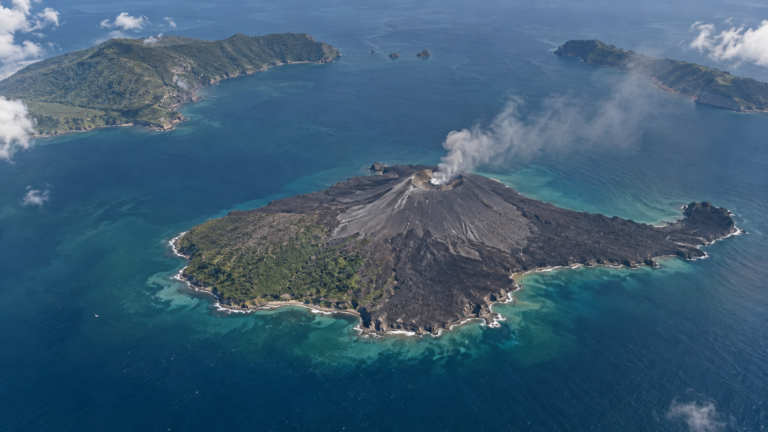
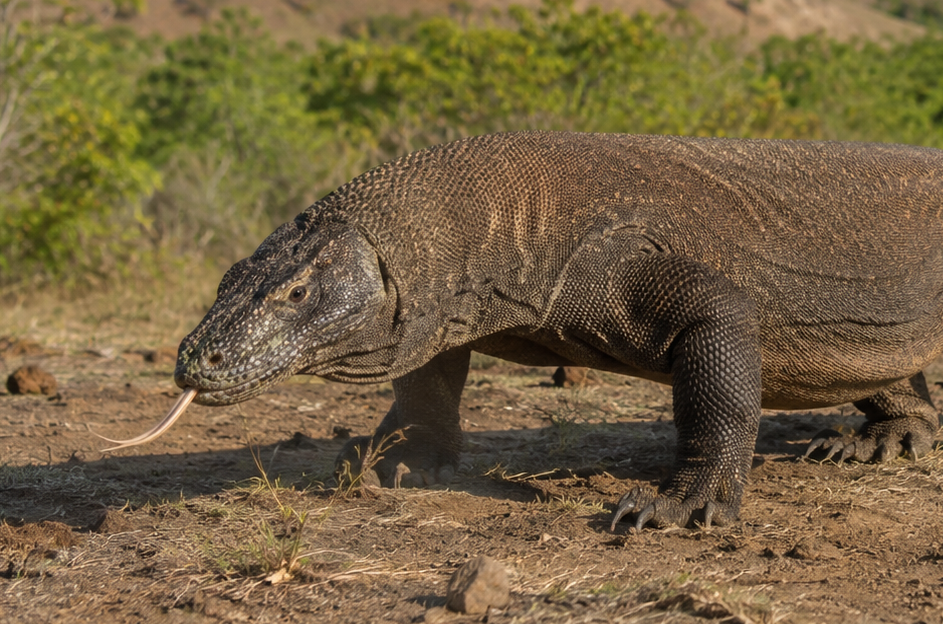
The Komodo dragon, or Varanus komodoensis, is the world’s largest lizard. Adults can grow up to about three meters long and have venomous bites. The species lives naturally only in parts of eastern Indonesia, especially Komodo, Rinca, Flores, Gili Motang, and nearby islands. Its endangered status reflects a mix of pressures: limited habitat, climate risks, human activity, prey decline, and the long-term impact of tourism and development.
Komodo Dragon Conservation at Home
The visitor cap is a welcome signal because Indonesia has often treated iconic natural places as economic assets first and living systems second. Tourism brings jobs, boat income, guides, hotel stays, and local business.
But conservation cannot simply mean selling fewer tickets at a higher price, or moving crowds from one pressure point to another. The real test lies in enforcement, waste control, reef protection, boat traffic, and the welfare of communities around the park.
If the cap only protects the tourist experience, it will fall short. If it protects habitat while keeping local people involved, it could become a model for sustainable tourism.
The Japan Breeding Plan
Indonesia’s plan to send two Komodo dragons to Japan for a breeding program has opened a different debate. Under the arrangement, a male and a female Komodo dragon would go to a zoo in Shizuoka. Japan, in return, would send red pandas and giraffes to Indonesia.
Supporters can argue that such exchanges build scientific cooperation and raise public awareness. That is not meaningless. Many people first care about wildlife because they encounter it in zoos, schools, or documentaries.
Still, critics have a fair point. Captive breeding should not become a substitute for protecting the wild places where these animals belong. The Komodo dragon does not need to become a diplomatic mascot. It needs secure habitat, responsible tourism, and serious long-term monitoring.
National Pride Should Mean Protection
UNESCO describes Komodo National Park as a refuge not only for the dragon, but also for other land and marine species, including coral reef life, sea turtles, dolphins, whales, and dugongs. That wider biodiversity should shape policy.
The Komodo dragon has become one of Indonesia’s most recognizable natural symbols. That status brings attention, but it also brings temptation. Governments can use rare animals to promote prestige. Tourism operators can turn them into attractions. Foreign partnerships can turn them into soft-power trophies.
Indonesia should avoid that trap.
The better message is simple: national pride should begin with protection. Sending dragons abroad may help if it supports science and conservation. Limiting visitors may help if it truly reduces pressure on the park. But neither move should distract from the central duty: keeping Komodo wild, alive, and rooted in the islands that made it famous.
About the Author