Xi Trump Summit
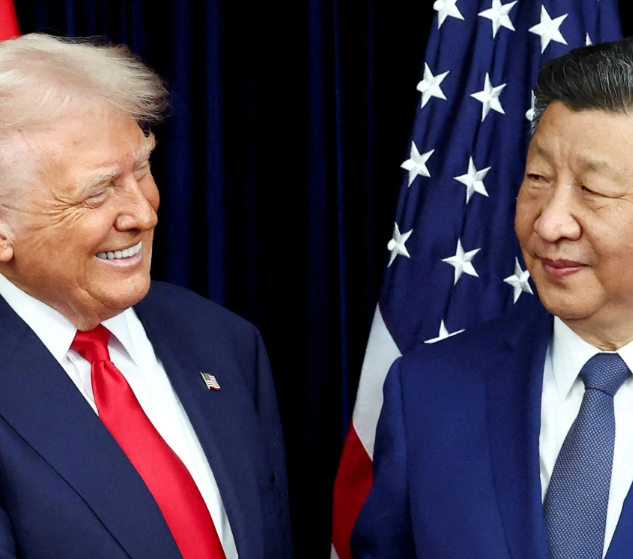
As Donald Trump and Xi Jinping prepare for another high-stakes meeting in Beijing, the global trade war is again being treated as a problem that one summit might calm. But the deeper shift is bigger than one meeting. The age of easy globalization, when governments trusted open markets to organize supply chains, is giving way to a harder era of economic nationalism, tariffs, industrial policy, and strategic competition. Trump’s tariffs are blunt and legally contested, but they are also a response to a real imbalance: China’s state-backed trade model has spent years distorting global markets.
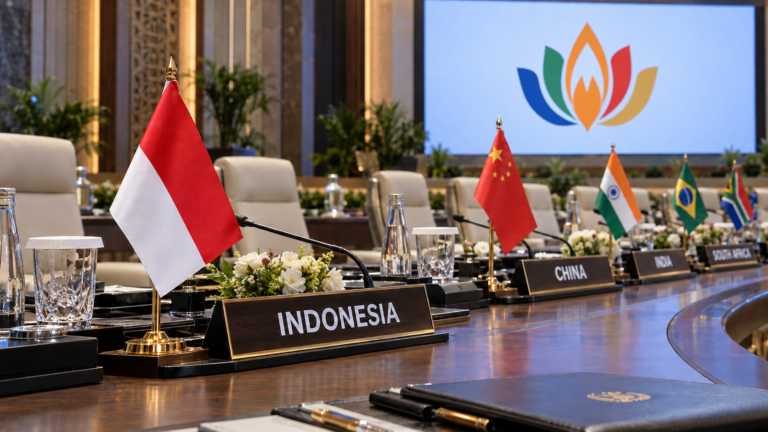
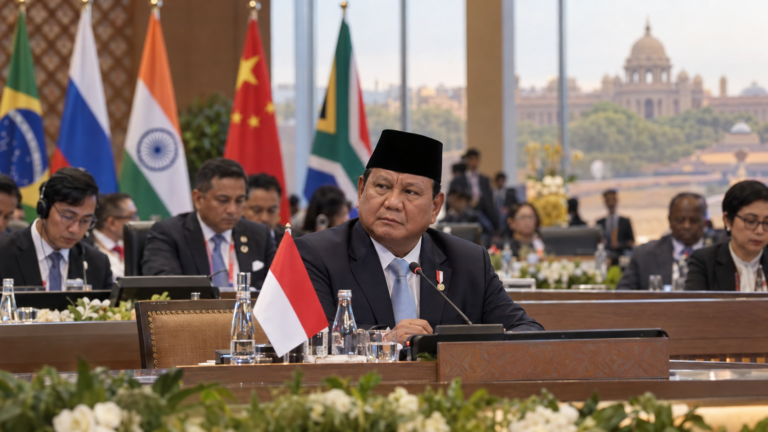
For Indonesia, the lesson is not only about export access. It is about the danger of depending too heavily on China in critical sectors such as nickel, EV batteries, and industrial supply chains.
From Globalization to Economic Nationalism
For decades, the assumption behind globalization was that trade would make countries more efficient, richer, and more interdependent. But that model now looks weaker. The pandemic exposed fragile supply chains. Russia’s invasion of Ukraine exposed energy dependence. China’s industrial model exposed the risk of relying on a state-backed competitor for critical goods. The result is a shift toward tariffs, subsidies, domestic manufacturing, and “friend-shoring.”
The Tariff Fight Is Still Legally Unsettled
Trump’s tariff strategy is now facing pressure inside the United States itself. On May 7, the U.S. Court of International Trade ruled against his latest 10 percent global tariff, challenging the legal basis used to impose broad duties on imports. The administration appealed the ruling the next day, so the tariff fight has not ended. It has simply moved into another legal and political stage.
That uncertainty matters for every trading country. Businesses need predictable rules. Exporters need stable access. Governments need to know whether tariff rates are temporary bargaining tools or durable policy. For Indonesia, that distinction matters because the United States remains both a major market and a strategic counterweight to China.
Indonesia’s February Deal Shows the New Reality
In February, Jakarta and Washington finalized a reciprocal trade agreement. Under the deal, Indonesia agreed to remove tariff barriers on more than 99 percent of U.S. products exported to Indonesia, including agriculture, seafood, health products, information technology, automotive goods, and chemicals.
In return, Indonesia secured a lower U.S. tariff rate of 19 percent, down from the previously threatened 32 percent. Indonesian officials also said 1,819 Indonesian tariff lines would receive zero-tariff treatment in the U.S. market. These include palm oil, coffee, cocoa, spices, rubber, electronic components, semiconductors, and aircraft components. Textiles and apparel are also expected to benefit through a quota mechanism.
China’s Trade Model Is the Deeper Issue
For years, China has relied on heavy industrial subsidies, state-backed financing, protected domestic markets, pressured technology transfer, and production capacity that often exceeds real demand. The result has been overcapacity in sectors such as steel, solar panels, batteries, electric vehicles, chemicals, and other manufactured goods. When those goods flood global markets at prices competitors struggle to match, the issue is not only efficiency. It is state power expressed through trade.
China’s dominance over critical minerals and rare earth supply chains adds another layer. Beijing does not only sell goods. It increasingly controls chokepoints in industries other countries need for defense, clean energy, electronics, and transport.
That is why Trump’s tariffs, however imperfect, cannot be dismissed as mere political theater. They point to a real global problem.
Indonesia Should Not Trade One Dependency for Another
For Indonesia, the lesson is uncomfortable. China has helped build Indonesia’s nickel-processing boom. Chinese capital, technology, smelters, and industrial parks have supported growth in a sector central to batteries and electric vehicles. But dependence can come with costs.
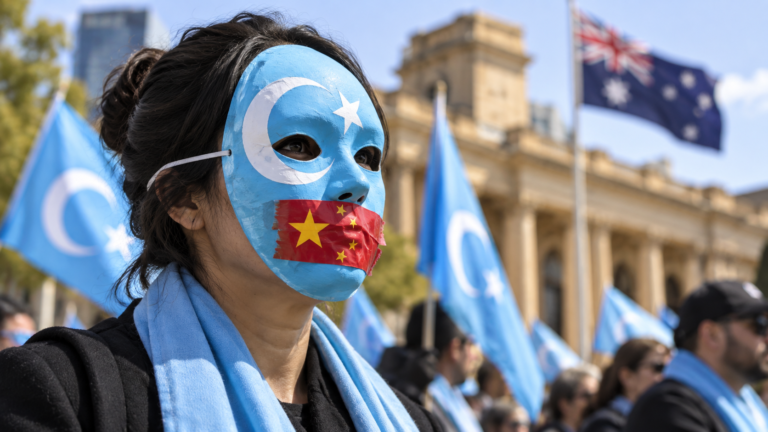
If Indonesia’s future industrial base becomes too closely tied to Chinese firms, Chinese finance, and Chinese-controlled supply chains, Jakarta may gain factories while losing room for maneuver. The risk is not only commercial. A Taiwan crisis could shake semiconductor flows and regional shipping. South China Sea tensions already affect Southeast Asia’s security environment. Forced-labor concerns linked to Uyghurs and Xinjiang also show how supply chains can create ethical and reputational risks.
Indonesia does not need to cut ties with China. That would be unrealistic and unnecessary. But it should diversify faster: toward Japan, South Korea, the United States, Europe, Australia, India, and ASEAN partners.
The smarter Indonesian response is not to cheer every tariff. It is to understand what made them politically possible. China’s trade model created the conditions for backlash. Indonesia should make sure it does not become too dependent on the very system now forcing the world to rethink trade.
About the Author