48th ASEAN Summit in Cebu
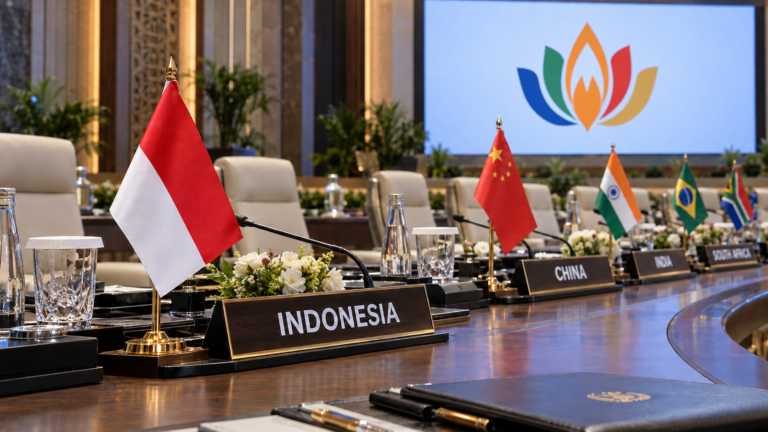
Indonesia arrived at the 48th ASEAN Summit in Cebu with a practical message: Southeast Asia needs dialogue, regional unity, and stronger food and energy resilience as global instability reaches closer to home.
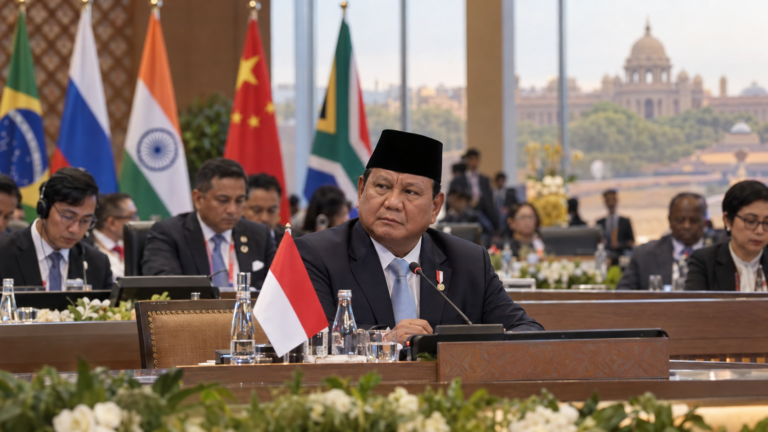
President Prabowo Subianto attended the summit in the Philippines on May 8, joining ASEAN leaders in plenary and retreat sessions before a gala dinner hosted by Philippine President Ferdinand Marcos Jr. The ceremonial side carried its own symbolism. Prabowo wore a barong tagalog, the Philippine national attire, with embroidery inspired by Indonesian batik motifs. It was a small gesture of respect to the host country, but also a reminder of the cultural diplomacy that still matters inside ASEAN.
The harder discussions focused on conflict, energy and food security, Myanmar, Thailand-Cambodia tensions, transnational crime, and ASEAN’s role in a region shaped by larger geopolitical pressures.
Indonesia’s ASEAN Message: Dialogue Before Escalation
Indonesia used the 48th ASEAN Summit in Cebu to stress peaceful settlement and regional stability. Cabinet Secretary Teddy Indra Wijaya said Prabowo supported peace talks between Thailand and Cambodia during the closed-door retreat, while emphasizing brotherhood and constructive communication.
The issue mattered because Thailand and Cambodia have faced renewed tensions over border disputes. In Cebu, the Philippines used its role as ASEAN chair to help arrange talks between the two sides. Indonesia’s support for dialogue fitted Jakarta’s long-standing preference for diplomacy within ASEAN, especially when bilateral disputes risk weakening regional unity.
Prabowo also urged ASEAN to remain an anchor of peace, stability, and growth. That language may sound familiar, but the context was serious. Southeast Asia is dealing with several pressures at once: Myanmar’s conflict, Middle East-related energy risks, cybercrime, online gambling networks, illegal drugs, maritime disputes, and global economic uncertainty.
Indonesia has a direct stake in keeping ASEAN functional. It is the region’s largest country and largest economy. When instability spreads across Southeast Asia, Jakarta rarely remains untouched.
Myanmar Remains a Test of ASEAN Credibility
Myanmar remained one of the summit’s most sensitive issues. Foreign Minister Sugiono said Prabowo promoted dialogue and negotiations to help resolve the country’s prolonged political and security crisis. He also said Indonesia believes any elections in Myanmar should be inclusive and should help address the country’s deeper problems.
ASEAN continues to use the Five-Point Consensus as its main framework for Myanmar. It calls for an end to violence, dialogue among all parties, humanitarian assistance, and ASEAN-led diplomacy. But the conflict has exposed the limits of that framework. Myanmar remains divided by armed conflict, repression, displacement, and distrust between the military and its opponents.
Indonesian officials pointed to reported steps by Myanmar’s authorities, including the release of around 6,000 political detainees and the transfer of Aung San Suu Kyi from prison to house arrest. Those developments may create diplomatic openings. They do not resolve the wider crisis.
For Indonesia, Myanmar is also tied to the Rohingya question. In April, civil society groups and Rohingya activist Yasmin Ullah filed a criminal complaint in Indonesia against Min Aung Hlaing, accusing him of genocide over the 2017 military campaign in Rakhine State. More than 700,000 Rohingya fled to Bangladesh during that crackdown, amid reports of killings, rape, and village burnings.
The complaint relies on Indonesia’s universal jurisdiction framework, making it a rare legal move in Southeast Asia. It also connects ASEAN diplomacy with Indonesian public concern. Rohingya refugees have repeatedly arrived in Aceh, and major Indonesian organizations have framed the issue as both humanitarian and moral.
Transnational Crime Adds Another ASEAN Pressure Point
The summit also addressed cybercrime, illegal drugs, online scams, and other transnational threats. This agenda had direct relevance for Indonesia.
Soon after the 48th ASEAN Summit, Indonesian police arrested 321 foreign nationals in Jakarta over alleged involvement in banned online gambling. The operation was linked to dozens of gambling sites and possible immigration violations. The case underlined how quickly criminal networks can move across borders and exploit enforcement gaps.
Online gambling, cyber fraud, trafficking, drug routes, and scam networks are no longer side issues. They affect immigration, banking, technology platforms, public trust, and national security. Indonesia cannot solve them alone, and neither can any ASEAN member.
Food and Energy Resilience Move Higher on the Agenda
Food and energy security became central themes in Cebu. Sugiono said ASEAN leaders discussed how conflict far from Southeast Asia can quickly affect livelihoods in the region. The Middle East crisis made that point clear. Disruption around the Strait of Hormuz can threaten oil and gas flows, raise prices, and put pressure on households and businesses across ASEAN.
ASEAN leaders discussed the ASEAN Petroleum Security Agreement and the ASEAN Plus Three Emergency Rice Reserve. The petroleum agreement is meant to help member states coordinate during oil supply disruptions, including possible emergency sharing arrangements if fuel flows are interrupted. The rice reserve serves a similar purpose for food security, allowing ASEAN members, together with China, Japan, and South Korea, to draw on emergency rice stocks during crises such as natural disasters, conflict, or severe supply shocks.
About the Author