
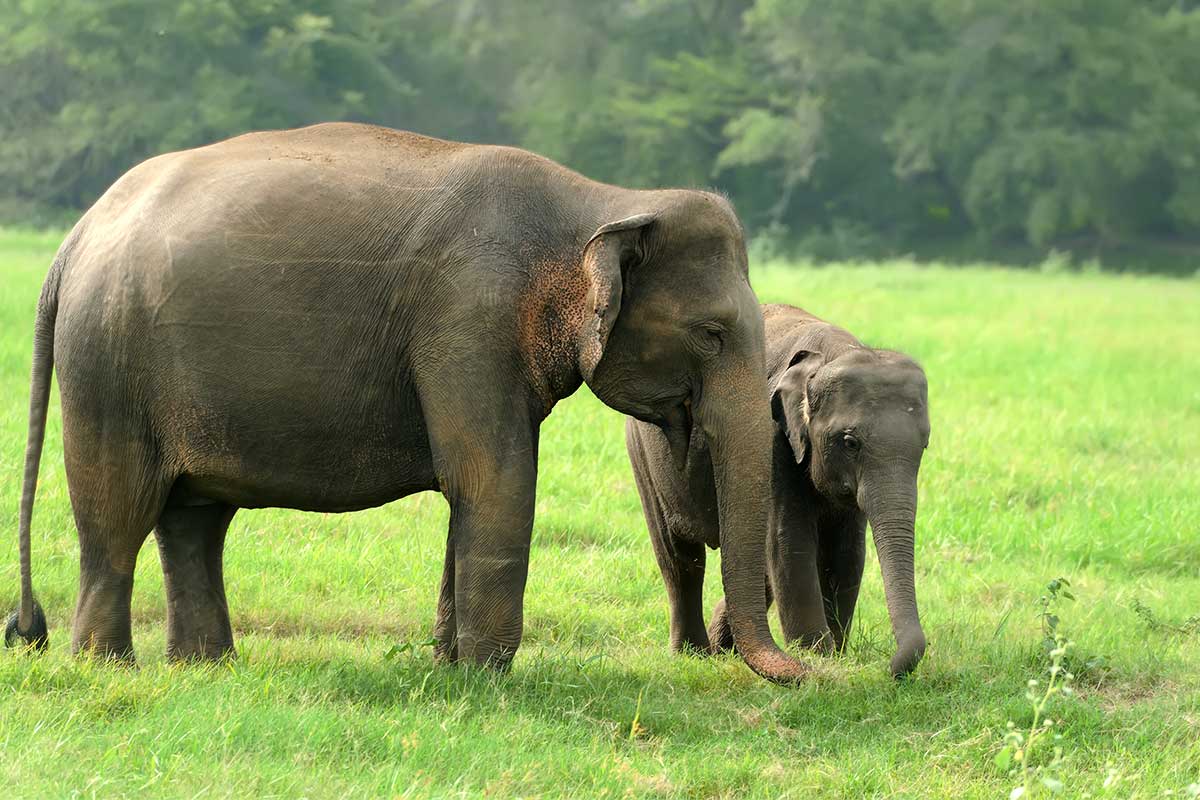
Sumatran elephant
Indonesia is one of the world’s great biodiversity hotspots. Its forests, rivers, and seas shelter species that exist nowhere else. Protecting that natural wealth has become an increasingly visible priority. In recent months the government has introduced measures to protect coral reefs and strengthen conservation of the Mahakam dolphin, a rare freshwater species that survives only in East Kalimantan’s Mahakam River.
These steps show a growing recognition that Indonesia’s ecosystems are not just environmental assets. They are part of the country’s identity.
Jakarta is now preparing a presidential regulation to strengthen protection of the Sumatran elephant. While conservationists work to reconnect forest corridors across Sumatra. The goal is simple: prevent one of Indonesia’s most iconic animals from slowly disappearing.
The Sumatran Elephant
The Sumatran elephant is a subspecies of the Asian elephant and one of the most endangered large mammals in Southeast Asia. It lives mainly in the remaining forests of Sumatra, including parts of Aceh, Riau, Jambi, and Lampung.
Its population has declined sharply over the past decades. Habitat loss is the main reason. Forests that once formed vast ecosystems have been broken into smaller fragments by plantations, roads, and expanding settlements.
Elephants need space. Herds travel long distances to find food and water. When forests shrink into scattered patches, those movements become harder and conflicts with humans become more likely.
Natural forces can also reshape the landscape. Landslides along the Peusangan River basin in Aceh recently changed sections of terrain and riverbanks. Such changes can disrupt the routes elephants have followed for generations.
Protecting Sumatran Elephants Through Corridors
The Indonesian government is now drafting a presidential regulation focused on protecting elephant habitat. The policy aims to strengthen coordination between national agencies, regional governments, and conservation groups.
A key part of the plan is restoring ecological corridors that reconnect fragmented forests. These corridors allow elephants to move between habitats instead of being trapped in isolated patches.
This approach deserves recognition. Protecting wildlife requires more than declaring national parks. It means managing entire landscapes so species can survive and move naturally. Reconnecting forests in provinces such as Riau is a practical step that could make a real difference.
Killings and Ivory Poaching in Riau
Earlier this year authorities in Riau discovered the body of an elephant that had been shot. Its head and tusks had been removed. The case strongly suggests ivory poaching. Killing elephants for ivory is not just illegal: it is a brutal and senseless crime against an already endangered species.
Another troubling discovery soon followed. A critically endangered elephant calf was found dead in Tesso Nilo National Park. Investigators are still determining the cause.
Laws and conservation plans mean little if wildlife crime continues. Protecting forests is important, but protecting the animals themselves is just as essential.
Indonesia has the chance to show that development and conservation can coexist. Saving elephants is not only about one species. It is about preserving the living landscapes that make the country unique.
About the Author


28 thoughts on “Indonesia’s Fight to Protect Sumatran Elephants”
Comments are closed.