On December 27, Indonesia released two orangutans into Tanjung Puting National Park in Central Kalimantan. A 17-year-old male named Douglas Soledo and a 25-year-old female, Robina, were returned to the forest after years of rehabilitation. Forestry Minister Raja Juli Antoni called the moment proof of long-term commitment. The images were hopeful. Yet they also point to a deeper and unresolved orangutan rehabilitation crisis that rarely surfaces in official statements.
Releases like this one make headlines for good reason. They mark the end of a long, costly process and show cooperation between the state and conservation groups. Antoni himself visited the Orangutan Care Center and Quarantine (OCCQ), which currently cares for around 320 orphaned orangutans. What tends to be left out is what that number actually means for the system as a whole.
The problem is not the absence of releases. It is the imbalance between how many orangutans enter rehabilitation and how slowly they can leave it.
Orangutan Rehabilitation Crisis Inside Rescue Centers
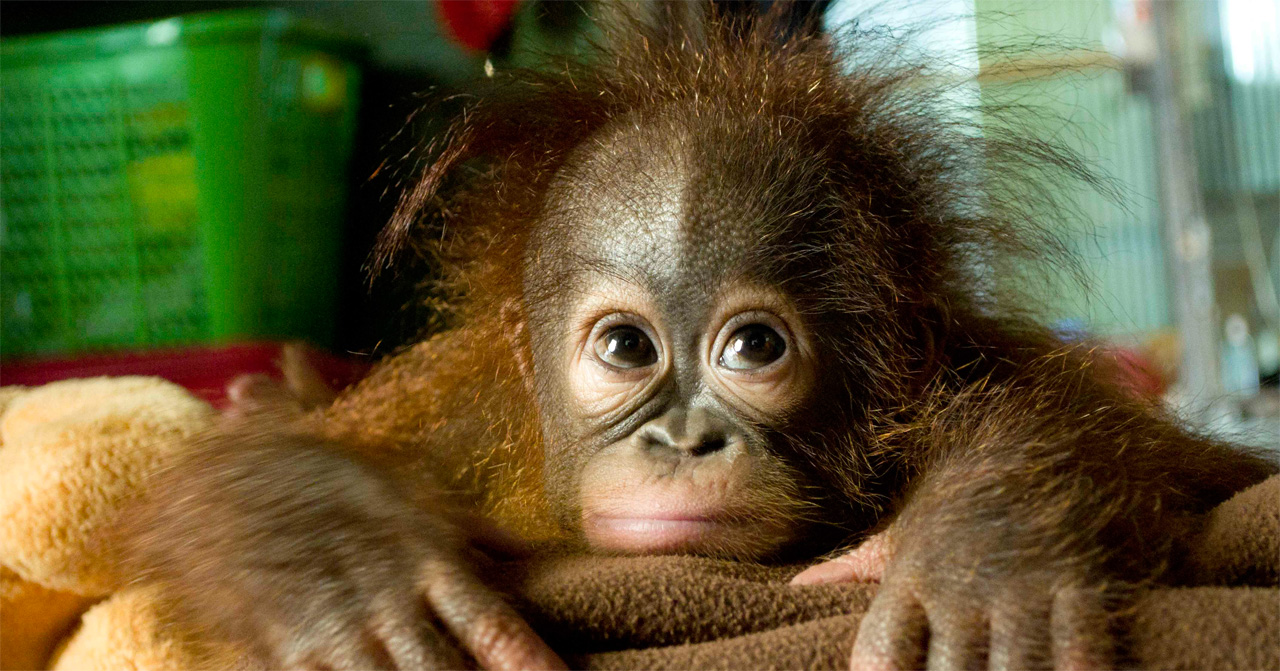
Most orangutans arriving at rehabilitation centers today come in as infants. Many are confiscated from illegal trade or removed from villages where they cannot survive on their own. At that stage, release is not even a near-term goal. Orangutans need years to learn basic survival skills that would come naturally in the wild.
That process is long and uneven. Some animals progress steadily. Others stall. A young orangutan rescued today may not be considered release-ready for ten or fifteen years. Some never will be. Human imprinting, trauma, or poor social adaptation can make independent life in the forest dangerous rather than liberating.
This is where overcrowding begins. Rehabilitation centers were built to move animals through stages, not to house hundreds indefinitely. Releases happen carefully and in small numbers, often limited by logistics, monitoring capacity, and suitable release zones. Meanwhile, new rescues continue to arrive.
One short point about habitat matters here, but it is not the center of the story. In northern Sumatra, the pressures facing the Tapanuli orangutan have already shown how fragile release options can become when forests reach their limits. Limited release sites slow everything down. Forests must be secure, legally protected, and capable of supporting new individuals. Even so, expanding habitat tomorrow would not empty rehabilitation centers anytime soon.
When Release is no Longer the Best Outcome
There is also a quieter ethical question that conservation rarely advertises. For some orangutans, lifelong care may be the most humane option. Releasing them would satisfy public expectations, but increase mortality risk. That decision keeps animals safe, but it also keeps facilities full.
Indonesia’s conservation system has become very good at saving individual orangutans. It is far less prepared to deal with the long-term consequences of that success. The orangutan rehabilitation crisis is not a failure of intent. It is a structural strain created by years of incremental rescues, slow maturation, and limited exit paths.
As releases continue, the pressure inside rehabilitation centers will remain. Until long-term care, prevention, and capacity planning receive the same attention as release ceremonies, the numbers behind the scenes will keep climbing, even on days that look like victories.
About the Author