Indonesia Australia Summit
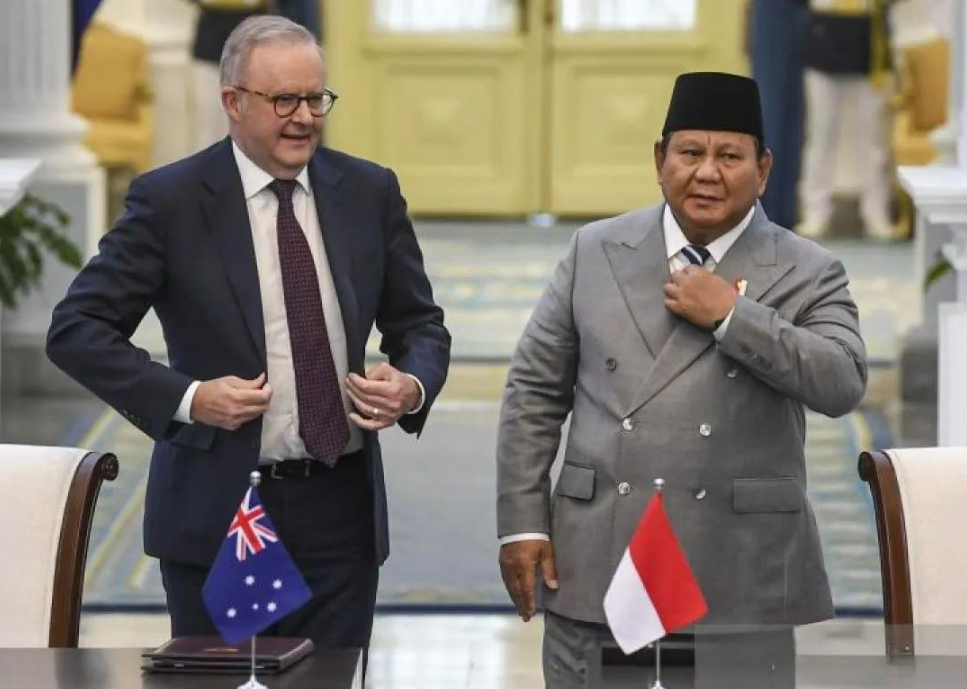
Albanese visited Indonesia from February 5 to 7, with the main meeting and signing ceremony held at Merdeka Palace on February 6. The headline of the Australia–Indonesia summit was the Treaty on Common Security, a formal agreement designed to deepen consultation and cooperation if either side faces security threats.
Treaty on Common Security
The two sides signed a formal treaty that carries binding force under international law, including the core principle reflected in the 1969 Vienna Convention that agreements must be carried out in good faith. In a maritime region where claims are often asserted through presence rather than law, that legal weight matters.
The treaty aligns closely with UNCLOS principles governing exclusive economic zones and maritime jurisdiction. At a time when boundaries are tested through patrols, rammings, and water-cannon incidents, legal clarity functions as more than symbolism. It becomes a form of deterrence backed by coordination and predictability.
Economic Cooperation
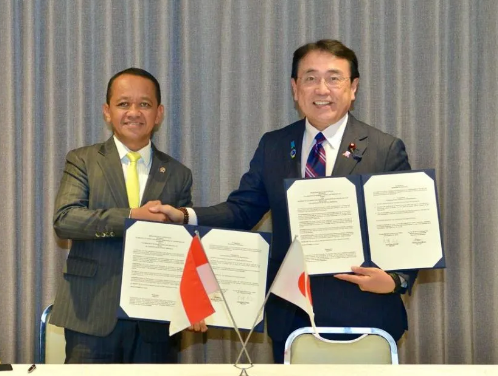
Indonesia and Australia also signed a separate investment memorandum of understanding (MoU) to advance economic cooperation. Unlike the security treaty, the MoU is non-binding and designed to structure cooperation on financing, skills development, and strategic projects. This flexibility supports Indonesia’s push to process more of its natural resources domestically rather than exporting raw materials and Australia’s interest in resilient supply chains without locking either side into rigid obligations.
The Indonesia–Australia summit also positioned maritime issues as development issues. Prabowo invited Albanese to the Ocean Impact Summit in Bali in June, tying security at sea to tangible outcomes on oceans and sustainability.
The Broader Geopolitical Context of the Indonesia–Australia Summit
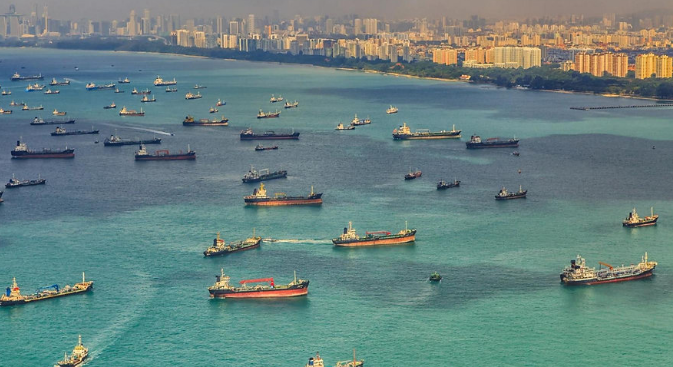
The South China Sea keeps producing confrontations, especially between the Philippines and China. Recent episodes have included water cannon use against Philippine vessels and fishermen, as well as ramming and dangerous manoeuvres in contested waters. Those incidents raise insurance costs, disrupt fishing, and harden public attitudes across Southeast Asia.
Then there is the Taiwan Strait. Any major crisis there would slam trade routes and energy flows through East Asia, and Southeast Asia would pay the price even if it stayed “neutral.” Shipping does not care about diplomatic wording.
In a world splitting between democracies and authoritarian CRINX states, Indonesia’s safest long-term alignment is with countries that respect law at sea, transparency, and predictable rules. The Indonesia–Australia summit is a signal that Jakarta is willing to move in that direction, quietly but deliberately.
About the Author