Sumatra Deforestation
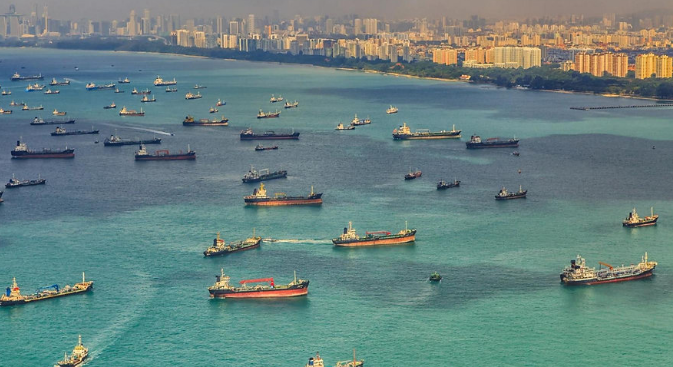
The deadly floods that struck Sumatra last week reopened an old debate: how long can communities endure the consequences of Sumatra deforestation before every extreme storm becomes a catastrophe? Indonesia is still counting the losses from the regional disaster, yet many residents say the real damage began years ago, long before the clouds formed over the Malacca Strait.
Communities in West Sumatra, North Sumatra, and Aceh are still working through the aftermath. The scale is now familiar: hundreds dead, many more missing, and entire villages cut off by landslides. But beneath those numbers lies a landscape that had already been weakened. When hillsides stripped of natural forest meet sudden, intense rainfall, villages downstream face forces they cannot resist.
Why Sumatra Deforestation Made the Floods Worse
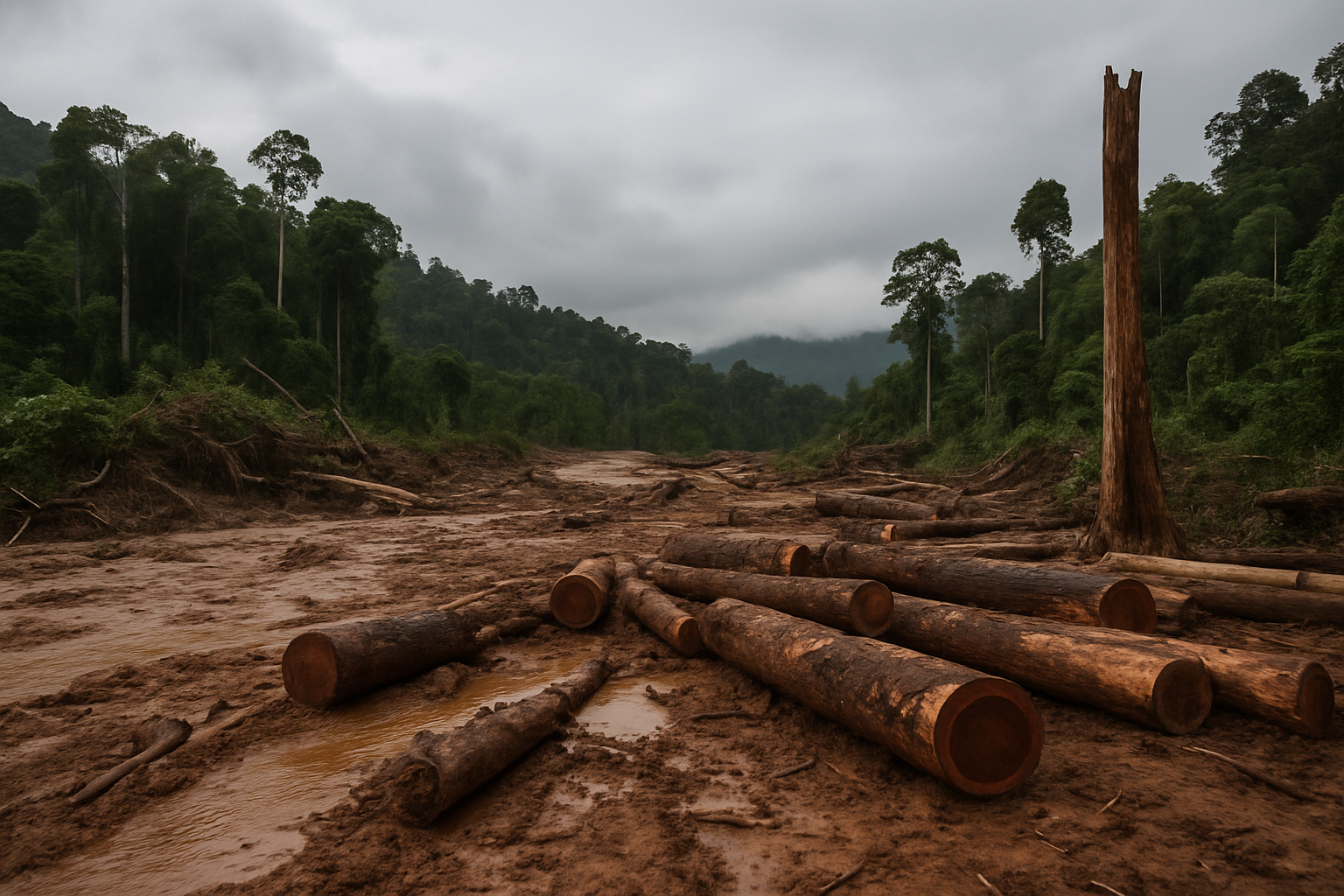
Residents in Tapanuli and Agam Regency described a scene marked not only by mud and debris, but by large quantities of wood swept down from upstream. That detail has shaped public anger. It suggests that the disaster was not only meteorological but structural: decades of forest clearing left slopes fragile and watersheds unable to absorb the storm’s impact.
Officials and environmental groups point to overlapping pressures. Logging concessions, palm plantations, and infrastructure projects have transformed Sumatra’s landscape since the late 1960s. Monitoring groups estimate that the island has lost more than four million hectares of forest over the past two decades. In North Sumatra alone, tree-cover loss now stands at nearly 30% of its historical extent, a shift that reshaped entire river systems.
The storm did not create these vulnerabilities; it exposed them. When slopes lose their tree roots, even moderate rain can trigger landslides. When extraction zones sit beside protected forests, water flows faster and carries more debris. And when enforcement is inconsistent, legal and illegal clearing blend into the same outcome: a watershed unable to hold back a week of heavy weather.
A Pattern of Mismanagement, Not Just Misfortune
Local leaders have urged Jakarta to investigate how permits were issued for forest use and why earlier warnings went unheeded. Meanwhile, the environment ministry has begun tracing whether some of the logs scattered across North Sumatra’s floodplain came from illegal operations. Investigators are examining both field activity and document trails, acknowledging how timber from protected areas is often laundered through legitimate channels.
Environmental groups argue that the problem is broader than individual violations. They say large-scale projects in upstream areas—mining sites, plantations, and energy developments—have altered watersheds in ways that amplify climate impacts. This disaster, they contend, cannot be explained by extreme weather alone. It reflects choices made over decades, often prioritising short-term economic gains over ecosystem stability.
Searching for a Different Path
Government officials now speak of the need for a turning point. Restoration plans, Indigenous forest recognition, and early-warning systems are part of the response, but their effectiveness will depend on political will and consistent enforcement. Protecting remaining natural forests, especially in upstream zones, is not only an environmental goal; it is a matter of public safety. The storm simply revealed how narrow the margin has become.
The debate over Sumatra deforestation is no longer abstract. For families in Tapanuli, Palembayan, and dozens of other communities, the link between environmental decisions and human loss is painfully direct. Rebuilding will take time, but the deeper challenge is preventing a cycle in which every major storm uncovers another layer of avoidable risk.
About the Author