
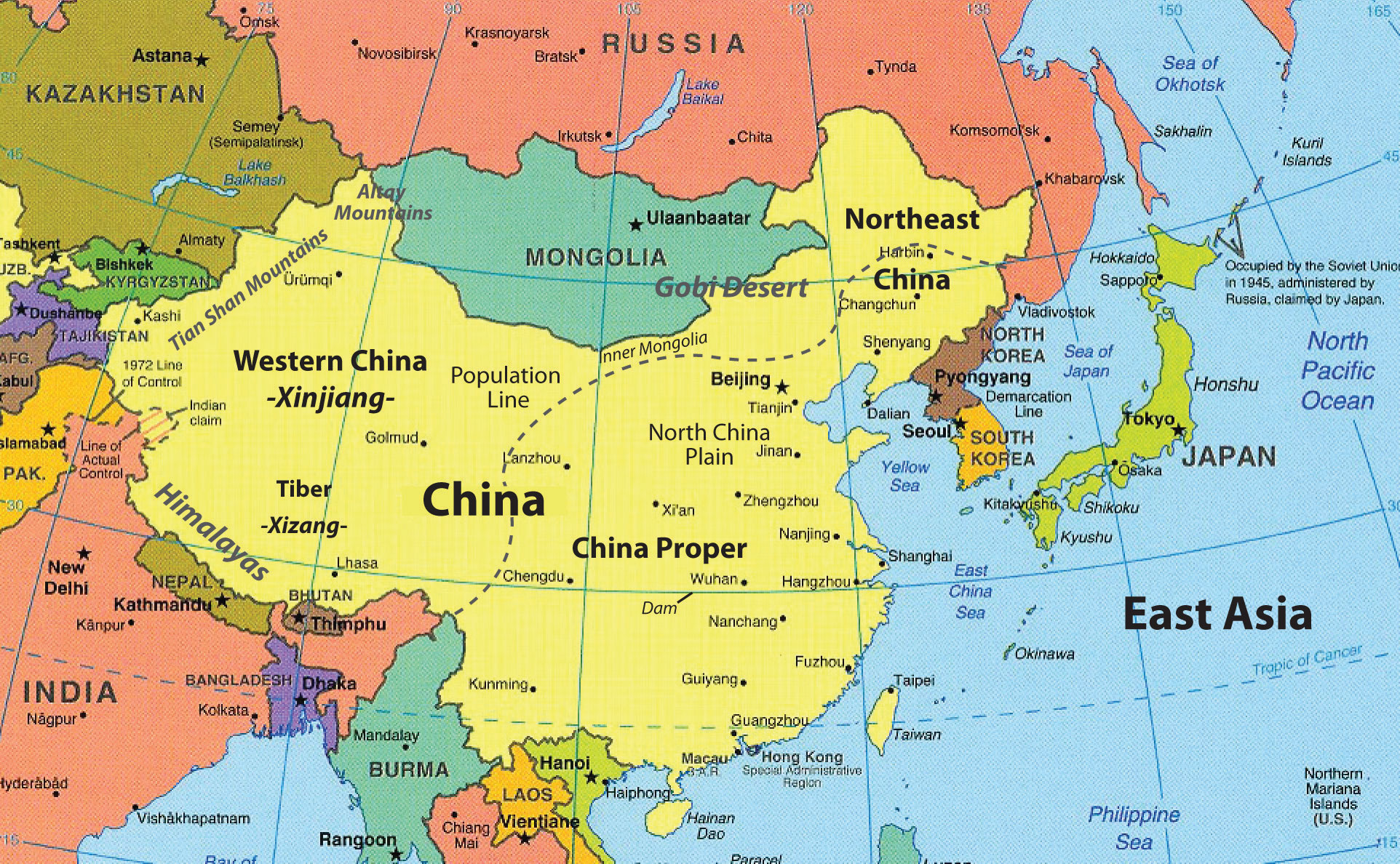
Tensions over Taiwan are getting harder for Indonesia to ignore as Beijing and Tokyo trade sharper warnings over the island’s security. In mid-December 2025, China publicly pressed Japan’s prime minister to retract remarks that a Taiwan conflict could trigger a Japanese military response. The episode underlines how Taiwan has become a live wire in East Asia, not just a talking point.
Japan’s proximity matters. Any crisis around Taiwan would ripple into sea lanes, insurance costs, and regional risk calculations. It also touches a sensitive word for Indonesia: sovereignty. Jakarta does not want a precedent where big powers redraw lines by force, yet it also avoids steps that look like it is “choosing sides.”
Tensions Over Taiwan And The Official One China Line
Officially, Indonesia sticks with the one-China principle. That position shows up clearly in the Indonesia–China joint statement published by Indonesia’s foreign ministry, which reiterates adherence to one-China and references UNGA Resolution 2758. Indonesia maintains no formal diplomatic relations with Taiwan, while keeping practical economic and trade channels through representative offices.
In late 2025, Indonesian media reporting also described the government’s instinct to avoid a confrontation with Beijing over Taiwan, framing it as a matter of protecting national interest and staying “independent and active” in foreign policy.
However, adherence to the One China policy does not automatically validate Beijing’s sovereignty claim over Taiwan. Taiwan functions as a self-governing democracy with its own elections, institutions, and civil liberties. Framing its future solely as an “internal Chinese affair” ignores the reality of more than 23 million people who have never consented to be ruled from Beijing.
For many Indonesians, the issue is less about formal recognition and more about principle. The belief that the people of Taiwan should decide their own political future without coercion or military pressure resonates strongly in a country shaped by its own anti-colonial history.
Neutrality Has Limits
Indonesia’s bureaucracy values stability, ASEAN centrality, and room to maneuver. Yet public discussion still matters. It shapes how far leaders can lean toward Beijing, how carefully they phrase statements, and how much political cost attaches to silence if tensions spike.
Indonesia also continues to emphasize ASEAN centrality as a buffer against great-power rivalry, viewing regional dialogue as a way to prevent unilateral actions from setting dangerous precedents.
Indonesia’s safest path is also the most realistic: keep channels open with Beijing, keep trade flowing, and avoid symbolism that triggers retaliation. At the same time, relations with Japan, the United States, and other partners remain central to Indonesia’s economic and security interests. If China were to impose a blockade on Taiwan or resort to force, Indonesia would face intense pressure to reassess its neutrality, especially if regional trade routes were disrupted.
Natuna Islands And A Pattern Of Pressure
Indonesian caution toward China is also shaped by experience closer to home. Beijing’s nine-dash-line claim overlaps with Indonesia’s exclusive economic zone near the Natuna Islands, a claim Jakarta has consistently rejected. Chinese coast guard activity in these waters has reinforced concerns about gray-zone tactics that challenge sovereignty without crossing the threshold of open conflict.
In that sense, tensions over Taiwan are not an abstract issue for Jakarta. They raise broader questions about how power is exercised in the region and whether coercion is becoming an accepted tool of statecraft.
The current approach is a defensive strategy for a middle power living next to giants, trying to preserve stability in an increasingly polarized Asia.
About the Author


1 thought on “Tensions Over Taiwan: Where Jakarta Stands as China and Japan Clash”
Comments are closed.