The Cambodia–Thailand conflict is back on the regional agenda for the worst reason possible: civilians are again paying the price for a dispute that brings neither country security, prosperity, or prestige. The argument is old, the geography is stubborn, and the political incentives are often toxic. Still, Southeast Asia should not accept this as “normal”.
Preah Vihear and a border that never fully settled
The flashpoint most outsiders recognize is the Preah Vihear Temple, an 11th-century Khmer site sitting near the frontier. In 1962, the International Court of Justice ruled the temple belonged to Cambodia. The ruling did not magically erase the surrounding ambiguity, and later legal steps still left space for nationalist narratives on both sides. That is the real fuel here: not just a line on a map, but domestic pressure to look “tough” when compromise feels like surrender.
This is why the dispute keeps resurfacing. When leaders face political stress at home, border issues become a convenient stage. Soldiers move. Rumors fly. Then a single incident turns into days of fighting.
July ceasefire, December relapse
This year’s violence followed that familiar pattern. Fighting erupted on July 24, 2025. A ceasefire took effect at midnight on July 28, 2025, after intense clashes that killed dozens and displaced hundreds of thousands, according to international reporting. The truce saved lives, but it did not fix the underlying dispute.
By early December 2025, the ceasefire collapsed and daily exchanges of rockets and artillery resumed along sections of the border. Reports from mid-December described large-scale displacement and rising casualties. Numbers vary by source and by what each side counts, which is exactly why this conflict is so dangerous: even the facts become part of the fight.
Indonesia and the Cambodia–Thailand conflict: The case for quiet diplomacy
Jakarta has long acted as an ASEAN convener that can keep doors open when public positions harden. That matters because a border dispute rarely ends with a perfect “win”. It ends when leaders can sell de-escalation back home without losing face.
This is where Indonesia’s doctrine of bebas dan aktif (independent but active) comes alive. Indonesia stays independent, so it does not “pick” Phnom Penh or Bangkok. Indonesia also stays active, so it does not shrug and move on. It pushes dialogue, technical talks, and de-confliction steps that reduce miscalculation. In ASEAN terms, that is often the only workable path.
Trump, China, and the limits of headline peacemaking
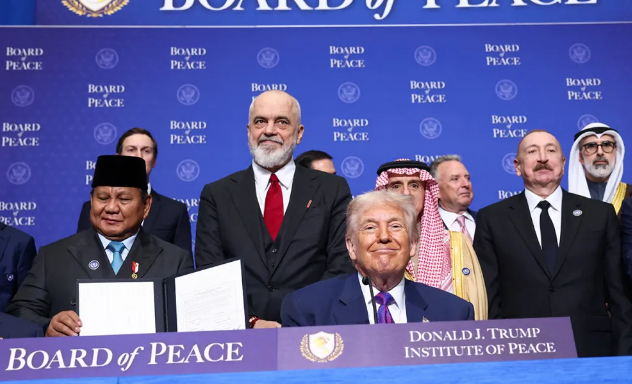
President Donald Trump deserves credit for wanting wars to end, including this one. He pushed for talks in July and later claimed the Thai-Cambodian conflict was one of the eight wars he had stopped worldwide. But the relapse in December shows the hard truth: a ceasefire can pause violence, yet a pause is not peace.
China has also urged restraint, joining ASEAN diplomats in calling on both countries to halt the fighting and return to dialogue. Beijing has its own interests, of course. It wants stability near major trade routes and it wants influence in the region. Still, on this specific point, restraint is the correct ask.
Do foreign powers “benefit” from this conflict? Not in any healthy sense. Prolonged fighting weakens ASEAN credibility, spooks investors, and invites outside meddling. The only winners are the loudest nationalists, plus any actor that prefers a divided Southeast Asia.
The region should aim higher. A durable settlement will take patience, verification, and political courage. Indonesia can help supply the first two. Cambodia and Thailand must supply the third.
About the Author