The Southeast Asia floods left damage across several countries, yet Sumatra absorbed the worst of it. A rare storm in the Malacca Strait did more than unleash days of rain and landslides; it exposed weaknesses in Indonesia’s ability to cope with extreme weather and highlighted how far the region still is from adapting to a changing climate.
Communities in West Sumatra, North Sumatra, and Aceh woke to scenes that looked more like the aftermath of an earthquake than a storm. In Agam Regency, rows of houses collapsed under landslide debris. Families who fled in the dark searched for safe ground, while those who stayed behind dug through mud to recover belongings and the bodies of loved ones. Indonesia’s disaster agency now reports 604 deaths, 464 missing, and over 1.5 million people affected, a scale that places this among the country’s deadliest weather events in recent years.
The Human Cost Behind the Southeast Asia Floods
Reports from Sumatra show not just the scale of the destruction but the repeated struggle to reach people in need. Landslides blocked access to villages in Tapanuli, leaving helicopters as the only link to communities cut off by collapsing slopes. In Aceh, overflowing rivers forced thousands into evacuation centres, where food and clean water ran short within days.
The government ordered essential goods to be doubled and pushed emergency supplies through damaged routes. President Prabowo Subianto’s visits underscored how restoring access—roads, bridges, power lines—has become as urgent as distributing food itself. Relief workers say that the first week shaped the fate of entire districts, with help reaching some villages by boat or air while others waited for roads to be cleared enough for rescuers to pass.
A Regional Disaster With Shared Weaknesses
Indonesia was not the only country battered by the storm. Thailand has confirmed 176 deaths, many of them in the south, where Hat Yai recorded its heaviest single-day rainfall in three centuries. Hospitals had to move patients as water reached operating rooms, and several neighbourhoods stayed under water for days. The government now faces criticism over preparation, response speed, and communication during the peak of the floods.
Malaysia, meanwhile, continues to shelter more than 11,600 evacuees, and officials warn that more flooding is still possible as the monsoon deepens. Although the country recorded fewer casualties, agricultural damage and infrastructure losses remain significant in several northern states.
The storm’s cross-border impact underlines how weather systems no longer follow predictable patterns. Areas previously considered low-risk—whether northern Malaysia or inland valleys of Sumatra—found themselves suddenly exposed.
Climate Pressures Expose a Larger Vulnerability
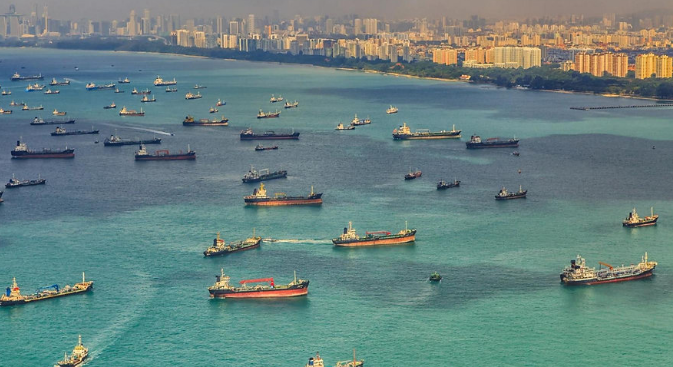
Scientists have noted that warmer seas and shifting wind patterns made it easier for an unusual storm to form in the Malacca Strait. The event arrives as Southeast Asian governments continue to debate post-COP30 climate pathways, especially funding for adaptation and the long-delayed transition away from fossil fuels. The destruction in Sumatra, Thailand, and Malaysia shows how urgent these discussions have become.
Recovery will take months, and rebuilding may stretch far beyond that. The lesson is already clear: the region must prepare for storms that no longer follow familiar patterns, and support systems need to reach isolated communities before the next one arrives.
About the Author