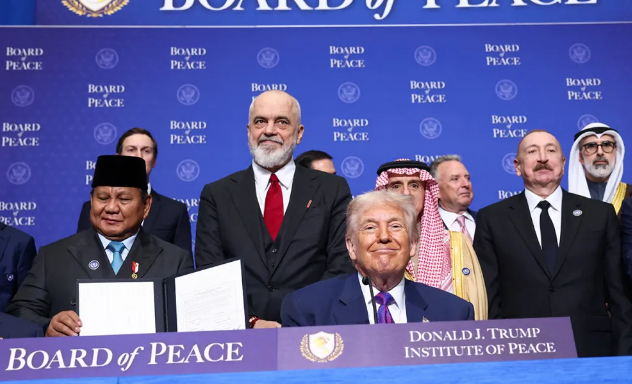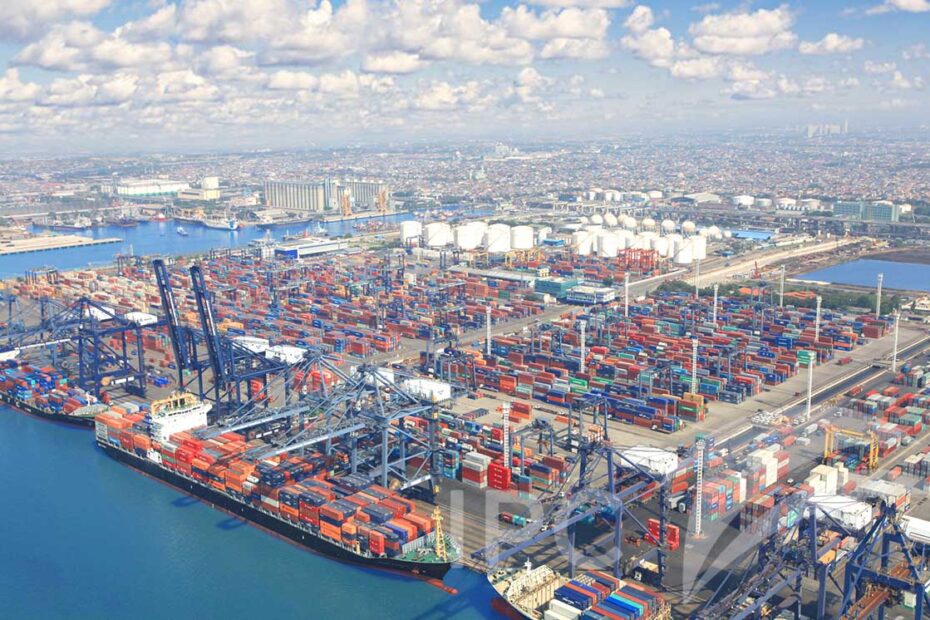
US tariff talks between Jakarta and Washington are moving toward a year-end deadline, but the negotiations say far more about Indonesia’s position in the global trade war than about tariffs alone. As President Prabowo Subianto pushes his team to close a deal with the United States, Indonesia is trying to protect its export base while avoiding entanglement in a conflict that began long before Southeast Asia entered the frame.
At the center of the talks is a draft reciprocal trade agreement first outlined in July 2025. Coordinating Minister for Economic Affairs Airlangga Hartarto has described recent meetings with U.S. Trade Representative Jamieson Greer as notable progress, with both sides aiming to finalize provisions by the end of the year. The Trump administration has already reduced import duties on Indonesian goods from 32 percent to 19 percent, a tangible gain for Jakarta.
Indonesia is seeking zero-percent tariffs on products the United States does not produce, including crude palm oil, rubber, tea, coffee, and several rubber-based exports. Textiles and footwear remain unresolved. In exchange, Jakarta has pledged to increase imports from the U.S., including up to US$15 billion in energy products and US$4.5 billion in agricultural goods, alongside a US$10 billion investment package that includes a blue ammonia facility in the United States.
Tariffs Are the Symptom, China’s Trade Model Is the Cause
Despite the focus on personalities, the global trade war did not begin with Donald Trump’s tariffs. It began with years of unresolved structural problems in China’s trade model. Long before Trump, multiple U.S. administrations raised concerns about forced technology transfer, weak intellectual property protection, limited market reciprocity, and opaque regulatory barriers.
American firms faced higher hurdles entering China than Chinese companies encountered in the United States. State-backed industrial policy favored exports, while imports remained tightly managed. Chinese state-owned enterprises benefited from direct subsidies, preferential financing, and regulatory shelter that distorted global prices. This environment enabled systematic dumping of steel, chemicals, solar panels, and manufactured goods into foreign markets at below-market prices, undercutting competitors across ASEAN and beyond.
Currency practices compounded the imbalance. By tightly managing the renminbi and restricting capital flows, Chinese authorities preserved export competitiveness while insulating domestic producers from market pressure. Intellectual property violations, whether through joint-venture requirements or informal coercion, became a cost of entry rather than an exception. These policies were not isolated abuses. They formed a coherent strategy that prioritized industrial dominance over fair competition, a pattern many countries quietly tolerated for years.
China’s entry into the World Trade Organization came with promises of liberalization that never fully materialized. By 2017 and 2018, U.S. trade investigations concluded that negotiations had failed to produce meaningful reform. Tariffs followed as a corrective tool, not an opening move. That context matters, especially since many of Trump’s China-focused trade measures were later maintained under President Biden. The issue was structural, not ideological, and rooted in persistent coercive trade practices rather than rhetoric.
Indonesia’s Balancing Act in the US Tariff Talks
Indonesia did not trigger this conflict, but it must now manage its consequences. Jakarta’s approach has been deliberately pragmatic. Officials avoid ideological framing and instead emphasize balance and reciprocity. That stance reflects economic reality. Indonesia needs access to the U.S. market, while China remains one of its largest trading partners. Choosing sides would carry real costs.
The trade war has also spilled into technology. Export controls on advanced chips and supply-chain realignment have turned the tech war into a core pillar of the broader conflict. Indonesia’s role in minerals, downstream processing, and industrial inputs now places it closer to the fault lines of global manufacturing than at any point in the past.
The current tariff negotiations reflect this awareness. Exemptions for key commodities protect domestic industries. Increased U.S. energy imports help rebalance trade without undermining sovereignty. Investment commitments anchor the agreement beyond short-term political cycles.
For President Prabowo, the stakes are also domestic. Economic resilience has become a defining theme of his administration. Concluding the US tariff talks on balanced terms would signal control and credibility amid global uncertainty.
The larger risk lies elsewhere. The trade war is not ending. It is fragmenting into sector-specific battles over technology, energy, and industrial policy.
About the Author