Green Turtles
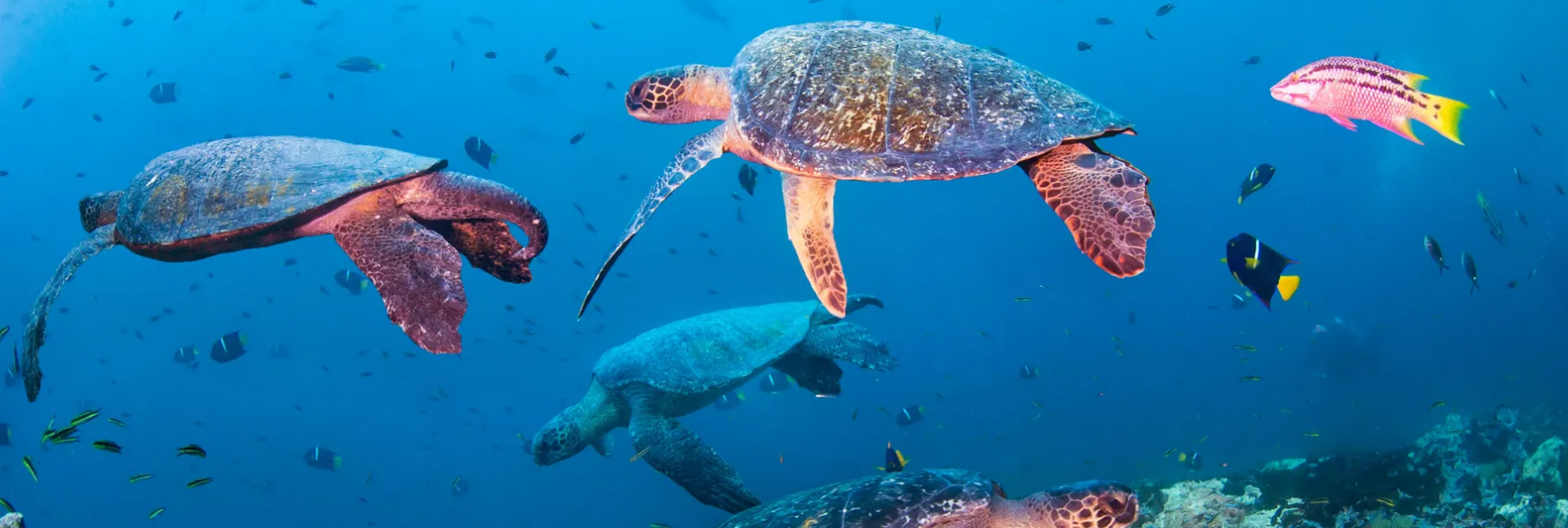
Twenty-one green turtles have returned to Bali’s waters after police stopped an alleged trafficking operation. The release is encouraging, but it also highlights the need for stronger enforcement, protected nesting beaches and sustained support for coastal communities.
Bali rescue reveals a wider trafficking problem
Police found the turtles near Pegametan Beach in Sumberkima Village, Buleleng, on June 10. Officers arrested a 67-year-old man accused of storing them before sale. Two other suspects remained at large: an alleged supplier from Madura and a person expected to receive and resell the animals.
The case therefore points beyond one wildlife holder to a chain involving capture, storage, transport and demand.
Authorities transferred the turtles to the Turtle Conservation and Education Center for quarantine, veterinary checks and rehabilitation. After experts declared them healthy, all 21 were released at Serangan Beach in South Denpasar on July 7.
Unlike a routine hatchling release, this involved larger turtles allegedly removed from a commercial network. Returning them to the sea repaired part of the damage, but it did not eliminate the suppliers and buyers who make trafficking profitable.
Green turtles are protected under Indonesian rules, including a 2025 ministerial decree on protected fish species. They are also listed in Appendix I of CITES, which prohibits international commercial trade. Unauthorized capture, transport and sale therefore breach national protections and international conservation commitments.
Protecting green turtles in Berau
In Berau, conservationists are intervening earlier by protecting nesting beaches and feeding grounds while involving the coastal communities that monitor them.
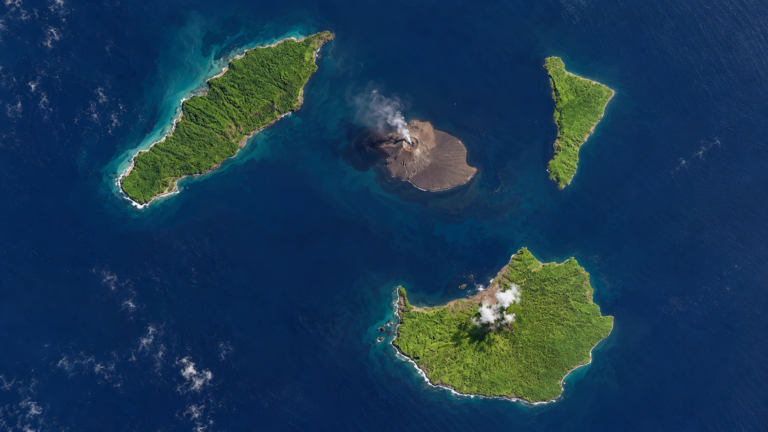
Provincial officials describe Berau as Southeast Asia’s largest green turtle nesting habitat. It belongs to the Sulu-Sulawesi seascape and the Coral Triangle, one of the world’s richest marine biodiversity regions.
Drone surveys mapped turtle habitats at 12 locations in the Derawan Islands Marine Conservation Area and recorded at least 913 sea turtles living, feeding or breeding there. Researchers also inspected 27 nesting sites from Sangalaki Island to Sulaiman Bay. Twenty-six remained healthy, with suitable sand, gentle slopes, natural vegetation and limited disturbance.
Technology helps collect data, but it cannot patrol every remote beach. Around 60 fishers and coastal residents were trained in turtle biology, species identification, nesting tracks and data collection, including how to record nests through an Android application.
This citizen-science approach gives local people a direct conservation role. That matters because turtles may abandon nesting attempts when beaches become noisy, crowded or brightly lit. Construction can alter sand conditions, while artificial light may disorient females and hatchlings. Egg theft, fishing bycatch, plastic pollution and deliberate capture add further pressure.
Green turtles recover globally but face local risks
Indonesia hosts six of the world’s seven sea turtle species, giving it an important international conservation role, although species occurrence and local conditions vary.
In 2025, the IUCN changed the green turtle’s global status from Endangered to Least Concern after decades of protection and a 28 percent increase in nesting across the rookeries included in its review.
The improvement shows that conservation can work. Protecting females and eggs, reducing unsustainable harvesting and changing fishing practices all contributed. However, the global label does not mean every population is secure. The IUCN still lists some green turtle subpopulations as Endangered, Vulnerable or Near Threatened.
Local progress can reverse when enforcement weakens, nesting beaches disappear or trafficking continues. The global recovery is therefore a reason to maintain protection, not scale it back.
About the Author