Ecotheology in Indonesia has quietly moved into the religious mainstream. Until recently, the idea belonged mostly to academic circles. Now it is discussed from mosque pulpits and inside government institutions. That shift says something important about how Islam operates in Indonesian society and about the religious role the country is willing to encourage.
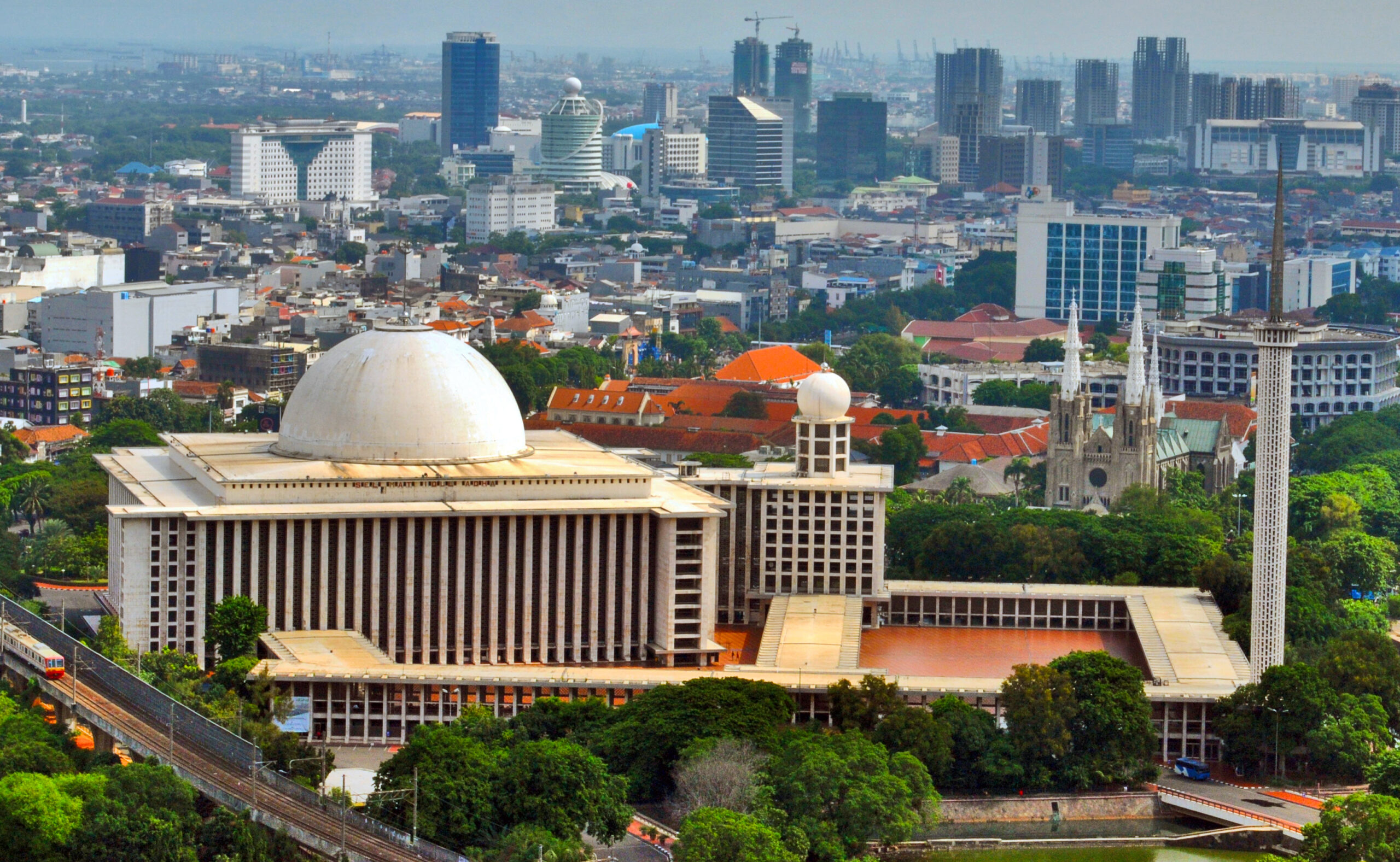
The change was visible during the national commemoration of Isra Mikraj at Jakarta’s Istiqlal Mosque, on January 15th. Instead of focusing on discipline, identity, or moral boundaries, speakers highlighted humanity’s responsibility toward nature. The emphasis was simple: spiritual life cannot be separated from how people treat the world they live in. This is not an obvious choice in the contemporary Muslim world.
What ecotheology means in Indonesia
Ecotheology links faith with environmental responsibility. In Indonesia, it is framed around balance and restraint rather than activism or ideological struggle. Religious Affairs Minister Nasaruddin Umar described ecological crises as tests that demand reflection and care. Nature, in this view, is something entrusted to humanity, not something to be exhausted.
This approach fits Indonesia’s religious culture. Islam here is not shaped by a single authority or rigid institution. Religious life is shaped by social habits, local customs, and daily coexistence, which leaves little room for rigid or exclusionary interpretations to dominate. Belief unfolds through communities and ordinary practice, making moderation a routine expectation rather than a slogan.
From religious language to public policy
What makes ecotheology in Indonesia stand out is how quickly it has moved beyond religious events. The Ministry of Religious Affairs plans to integrate ecotheology and social harmony into public policy and education. Environmental responsibility is framed as part of moral education, not as a technical issue left to experts. This reflects a broader policy instinct in Indonesia: religion is expected to stabilize society, not sharpen divisions.
Environmental problems do not stop at religious or ethnic boundaries. Floods, pollution, and climate stress affect everyone. Linking ecology to social harmony grounds tolerance in shared exposure rather than abstract ideals.
Ecotheology and coexistence
Indonesia’s plural society gives ecotheology practical relevance. Muslims, Christians, Hindus, Buddhists, and others depend on the same land and water. Environmental protection becomes one of the few issues where cooperation is unavoidable. In a country used to negotiating difference rather than erasing it, that cooperation feels less like moral virtue and more like common sense.
That reality shapes religious discourse. Faith leaders are pushed to speak in inclusive terms without pretending differences do not exist. Tolerance, in this sense, is not a slogan. It is a working condition for dealing with real problems.
About the Author